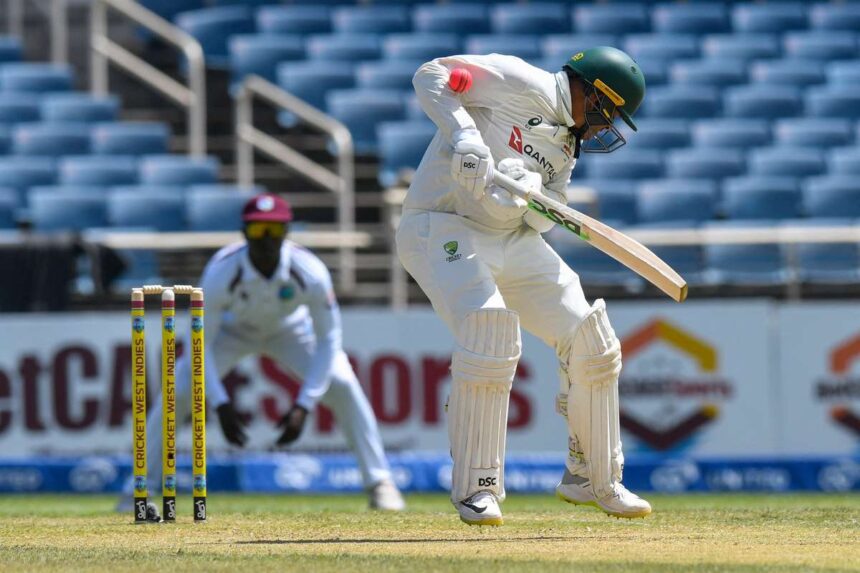
ICC Approves Trial of Pink Ball Use in Day Tests
In a significant development for cricket, the International Cricket Council (ICC) has sanctioned a trial permitting test-playing nations to utilize pink balls instead of the traditional red ones during daytime matches. This decision aims to address the frequent interruptions caused by poor lighting conditions, which often lead to halting play for safety reasons.
Context and Motivations Behind the Decision
The decision was made during an ICC board meeting held in Ahmedabad on Monday. The board emphasized the importance of researching lighting technology to assist match officials and venues in minimizing play interruptions due to inadequate lighting. Red balls are notorious for being more difficult to see under certain lighting conditions, which has hampered gameplay in test matches.
The Characteristics of Pink Balls
Until now, pink balls have predominantly been reserved for day-night test matches, where visibility is crucial under floodlights. The trial will provide teams the flexibility to agree on the switch to pink balls prior to the commencement of matches that are likely to be affected by subpar lighting conditions.
Additional Changes in Match Regulations
In another notable adjustment, the ICC board has approved a move allowing coaches and support staff to enter the field during drinks breaks to confer with players in one-day and T20 international matches. Previously, coaches could only communicate with players through those delivering drinks onto the field. This change mirrors practices seen in T20 franchise leagues, where coaches step onto the field during strategic timeouts to provide guidance.
Conclusion and Future Implications
This trial of pink balls in daytime tests reflects the ICC’s commitment to enhancing the quality of cricket and ensuring that gameplay remains uninterrupted, even under challenging lighting conditions. As the cricket community watches closely, the outcomes of this trial may lead to broader changes in the sport’s regulations and playing conditions.