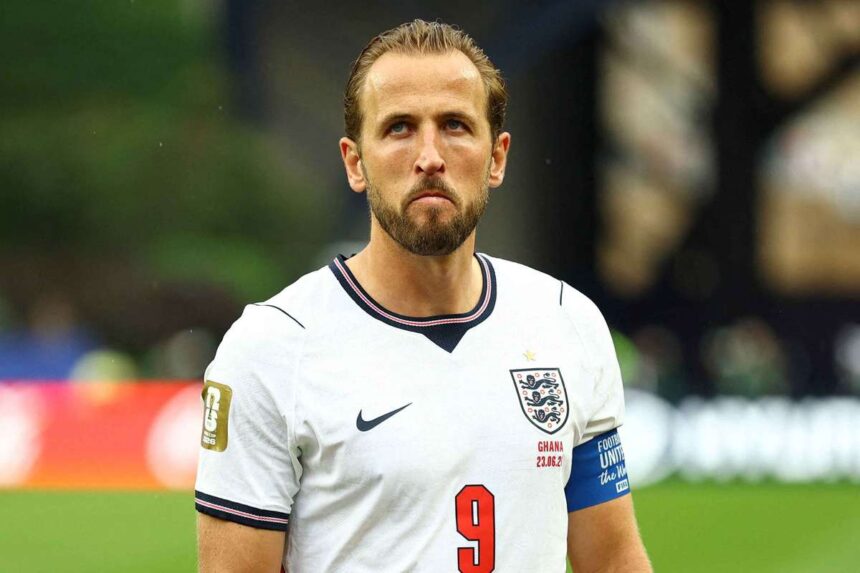
ENGLAND’S DRAW AGAINST GHANA: A FAMILIAR TALE OF DISAPPOINTMENT
In the aftermath of England’s emphatic 4-2 victory against Croatia, many anticipated a seamless progression into the later stages of the tournament. Yet, just days later, the optimism was swiftly crushed by a lackluster 0-0 draw with Ghana, a team ranked significantly lower. This performance raised eyebrows as England failed to register a single shot on target until the hour mark, with Jude Bellingham marking his 50th international cap amidst visible frustration on the pitch.
WASTED OPPORTUNITIES AND THE COLD HARD NUMBERS
The statistics paint a grim picture of England’s second group stage match. Ghana managed a mere two shots throughout the game, neither of which were on target. Despite dominating possession with 78%, England produced only three shots on goal, illustrating a worrying trend of control without creativity. Their expected goals figure of 1.28 belied a lack of genuine threat, revealing that much of their late-game urgency was a mere scramble for the draw rather than a coordinated strategic effort.
REPEATED ISSUES ON DISPLAY
This draw against Ghana not only echoed past performances—similar scorelines against Scotland in Euro 2020, the USA in the last World Cup, and Denmark in Euro 2024—but marked a troubling pattern in England’s tournament history. The team has now been held to goalless draws 13 times at the World Cup, more than any other nation, highlighting their struggles against well-organized defenses.
KANE’S STRUGGLES AND TEAM DYNAMICS
Harry Kane’s missed opportunity in the dying moments of the match is bound to dominate headlines. With the goal at his mercy, he somehow volleyed over, a miss reflective of England’s overall malaise in front of goal. His isolation on the field was symptomatic of a broader issue—teammates struggled to connect effectively, resulting in a paltry number of touches within the opponent’s area. Kane finished the match with the fewest touches recorded in a major tournament match where he played significant minutes, raising concerns about the team’s attacking approach.
THE EMERGENCE OF BENCH STRENGTH
Substitutes like Bukayo Saka, Morgan Rogers, and Eberechi Eze demonstrated greater directness and attacking intent upon their introduction. The shift in dynamic underscores a troubling question: Are the starting XI truly the best option to unlock opposing defenses? England’s bench appears to be a more effective weapon in these tight matches, prompting calls for tactical re-evaluation ahead of future fixtures.
UNANSWERED QUESTIONS HEADING INTO THE KNOCKOUTS
Coach Thomas Tuchel’s decision to omit players like Cole Palmer and Harry Foden, based on their recent club performances, was scrutinized during this match. As England prepares for a showdown with Panama and beyond, the need to solve the puzzle of how to break down disciplined low blocks will become ever more crucial. Failure to address these issues in upcoming knockout matches may lead to a far harsher reality than the draw with Ghana.
PACING TOWARDS THE FUTURE
While England’s progression to the knockout phase seems secure, the draw against Ghana emphasizes persistent issues that could be exploited by more formidable opponents. If the squad cannot find solutions when faced with structured defenses, the optimism following their earlier victory may need to be tempered with a realistic assessment of their capabilities, especially as the tournament intensifies.