John Higgins Takes the Helm of Snooker’s New Dawn
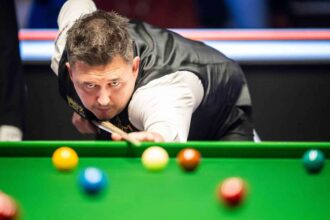
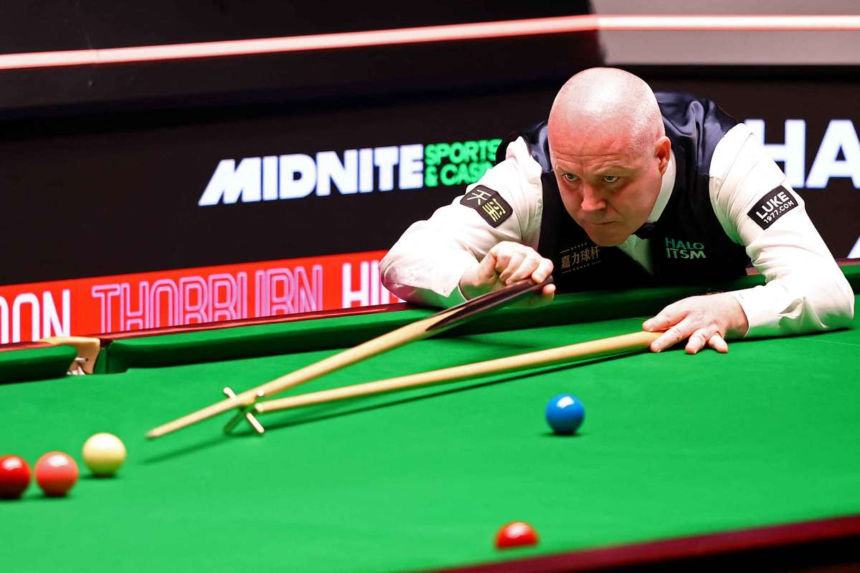
In an unprecedented move that shakes the very foundations of the sport, legendary four-time world snooker champion John Higgins has risen to the dizzying heights of Chairman and Director of the freshly minted Professional Snooker Players Association (PSPA). This independent body has emerged with a singular purpose: to amplify the voices of players who feel stifled under the weight of existing governance.
The Players’ Silent Suffering
For too long, the snooker elite have endured a glaring absence of representation, their invaluable insights drowned out by the cacophony of commercial interests. The PSPA, born out of this frustration, embodies a much-needed rebellion against a sports system that routinely dismisses its lifeblood — the players. With a board featuring noteworthy names such as Judd Trump, Kyren Wilson, and Mark Selby, the association represents a revolt against an archaic regime. Even icons like Ronnie O’Sullivan and Ding Junhui have pledged their allegiance, proving that this movement is not to be taken lightly.
A Call for Fairness in a Corrupt Arena
This is not merely a call for more equitable commercial partnerships; it’s a demand for fairness, transparency, and notably, a progressive shift in how snooker operates. Higgins, with unwavering resolve, articulates the association’s resolve: to foster a collaborative environment with governing bodies like the World Professional Billiards and Snooker Association (WPBSA). But make no mistake; collaboration does not connote submission. The PSPA is adamant about retaining its independence when negotiating commercial agreements—because players deserve to be heard and respected.
Reclaiming Power in Snooker’s Future
The PSPA’s inception sends a loud and clear message: the players refuse to be pawns in a game orchestrated by others. The governance of snooker needs a radical overhaul, one that fully embraces the nuances of player perspectives. The winds of change are blowing, and the PSPA stands at the forefront, armed with the collective will of a generation of players who have grown tired of being sidelined in critical decision-making processes.
Conclusion: A Watershed Moment
As the amateur world watches closely, snooker stands on the precipice of a significant reckoning. With a dedicated organization now rallying for players’ rights, the establishment must either accommodate this uprising or face a league of disenchanted players united in their quest for equity. The future of snooker, reshaped by its very fabric, depends upon the momentum created by the PSPA and its fearless leaders. Will snooker evolve, or will it stubbornly cling to its outdated ways? Only time will reveal the answer, but one thing is certain: the players are no longer prepared to sit silently by.