Shocking Withdrawal: Yastremska’s Illness Opens Path for Gauff
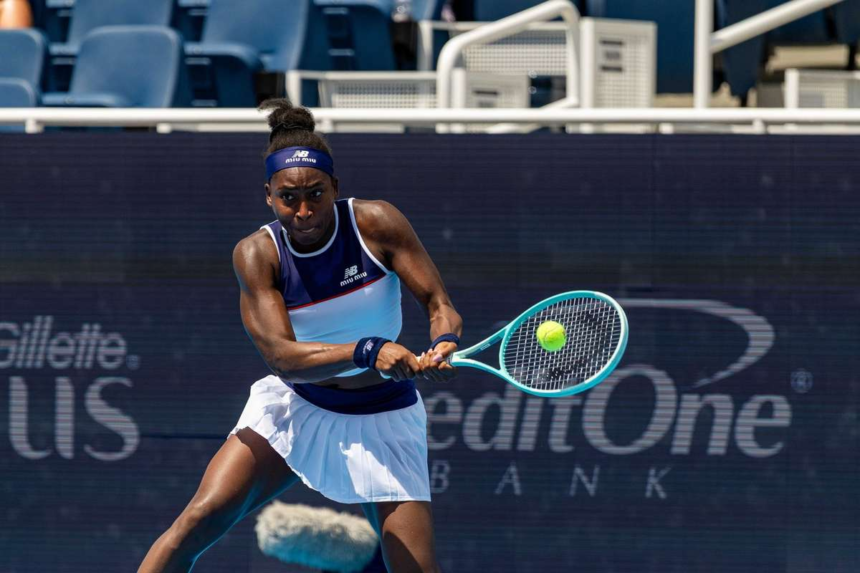
In a turn of events that rattled expectations, second-seed Coco Gauff found herself sailing into the Cincinnati Open fourth round on the mere whim of circumstances when her scheduled opponent, Dayana Yastremska, withdrew citing illness. The contrast between Gauff’s prowess and Yastremska’s misfortune underscores the unpredictable nature of competitive sport.
Coco Gauff: From Promising Talent to Reigning Champion
The 21-year-old American sensation, already cloaked in glory as the reigning French Open champion, continues to elevate her status in the tennis arena. Gauff solidified her reputation with a lucrative title at the 2023 Cincinnati before extending her reign with a US Open trophy. Critics remain skeptical, questioning the legitimacy of walkovers and the inherent advantages a lack of competition provides.
Illness Strikes: A Disappointment for Yastremska
For Yastremska, the withdrawal would have been a bitter pill to swallow, especially given the spotlight that shines upon elite athletes. Competing at this level demands not just skill but unwavering resilience. The Ukrainian’s illness not only robbed her of a chance to showcase her talent but sparked debates about player fitness and mental fortitude in high-stakes matches.
The Next Challenge: Facing Top Competitors
With Yastremska out of the equation, Gauff’s upcoming contest promises to retain the spotlight. She is set to face either Jelena Ostapenko, a former champion at Roland Garros, or Italy’s rising star, Lucia Bronzetti. This forthcoming battle stands as a crucial test for Gauff, where performance metrics will be scrutinized amid comparisons to her previous champions.
The Cincinnati Stage: Where Champions Rise and Fall
The Cincinnati Open is notorious for its high stakes and unpredictable outcomes. Players often find themselves facing more than just opponents; they battle the whispers of expectations, the pressure of performance, and the specter of injury or illness. The fickle nature of this sport reveals the razor-thin line separating glory from a crushing blow.
In Conclusion: A Game of Uncertainty
As the competition progresses, one truth remains evident: the tennis court is as much a theater for triumph as it is for tragedy. Whether Gauff will capitalize on this unanticipated advantage remains to be seen, but it challenges observers to reflect on the volatility inherent in professional sports—a realm where tomorrow’s victor is often today’s spectator.