UAB’s Sirad Bryant: A Case of Unsportsmanlike Behavior
In a game marred by a disgraceful display of aggression, UAB safety Sirad Bryant showed the world what true unsportsmanlike conduct looks like. With an alarmingly bold audacity, he deliberately stepped on Tennessee kicker Max Gilbert’s foot during a critical first-quarter moment. The incident, which resulted in a 15-yard penalty for Bryant, was a noteworthy example of a player who evidently cannot tame his foul instincts.
The Fallout for UAB and Bryant
This malevolent maneuver did not go unnoticed, yet Gilbert appeared unfazed, performing flawlessly on extra points as Tennessee steamrolled to a 56-24 victory. Meanwhile, Bryant’s dismal performance—managing just four tackles—further showcased his inability to contribute meaningfully to his team’s success. UAB now stands at a disheartening 2-2 record, extending their wretched streak to 0-2 on the road.
A Troubling History of Dirty Plays
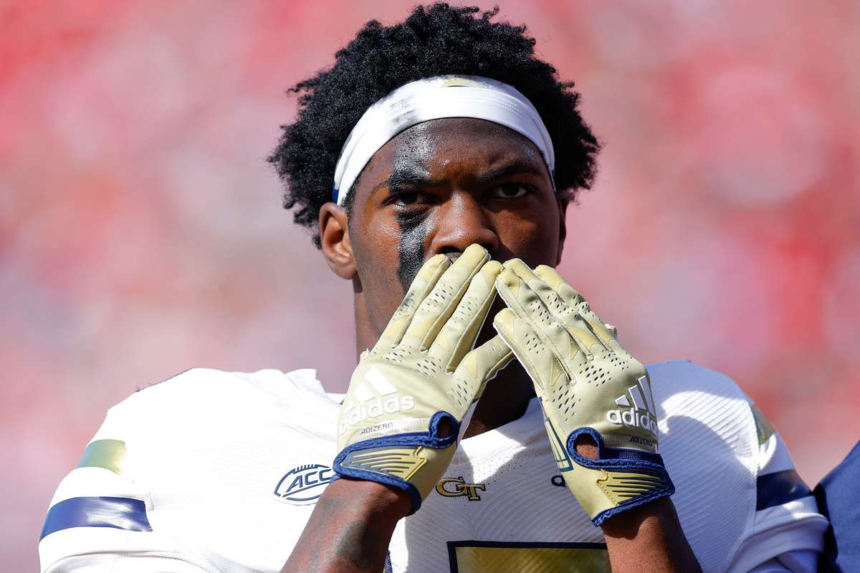
Examining Bryant’s career reveals a pervasive pattern of questionable ethics on the field. Having previously transferred from Georgia Tech following a game suspension for a brainless head-first tackle on an opponent, he brings a troubling legacy to UAB. It’s disturbing to consider how such behavior was tolerated at Georgia Tech, underscoring a fundamental flaw in both player conduct and institutional responsibility.
Max Gilbert: Rising Star Amidst The Chaos
On the contrary, Gilbert is an emerging athlete. As a sophomore, he’s made a name for himself, succeeding in 6-of-7 field goals this season, including a remarkable 53-yarder. His accomplishments starkly contrast with Bryant’s lackluster stats—an interception and a maximum of seven tackles in a season during his backup days at Georgia Tech. While Gilbert shines with a perfect record on extra point attempts, Bryant continues to wallow in mediocrity with his unsportsmanlike antics.
Implications of Unsportsmanlike Conduct in College Football
The broader implications of such behavior should not be taken lightly. College football is plagued by a concerning culture of leniency towards players who engage in dirty plays. Bryant’s conduct sends a toxic message that aggression without restraint can be tolerated or minimized despite its dangerous ramifications. This incident is a call to action for collegiate programs to enforce stricter codes of conduct and enforce accountability for players who tarnish the integrity of the game.
Conclusion: Reflecting on Accountability
The bitter aftertaste of Bryant’s actions leaves a significant stain on the UAB football program and college athletics as a whole. His persistent disregard for sportsmanship highlights an unmistakable need for introspection within the sport. As fans and stakeholders of college football, one must reflect on what kind of legacy is being created when violence overshadows skill. Will the narrative shift towards fostering true athleticism and rivalry rooted in respect, or will it remain mired in brutish displays of recklessness? Ultimately, the choice rests with the players, the coaches, and the institutions that guide them.