

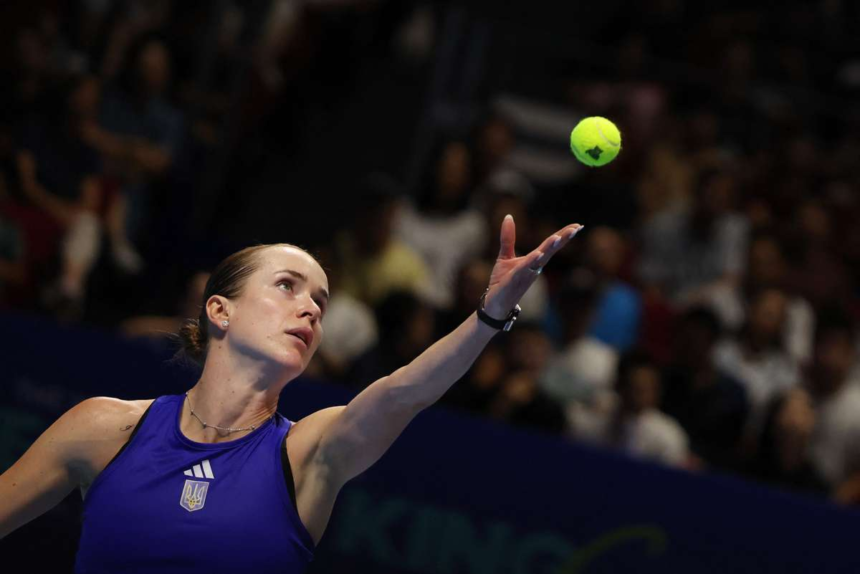
Elina Svitolina: A Champion’s Battle with Mental Health
Elina Svitolina, once a formidable presence in women’s tennis, has placed her physical and mental well-being above competitive ambition by ending her 2025 season prematurely. The former world number three, returning from maternity leave, made it clear that the pressures of relentless competition have taken a toll. With her recent admission of not being in the “right emotional space,” she exposes the often-ignored human side of athletes grappling with the weight of public expectations.
The Dark Side of Athletic Expectations
In a sport where mental toughness is glorified, Svitolina’s candid acknowledgment of her struggles serves as a stark reminder that mental health is not a luxury but a necessity. As she fought through this year’s tournaments, even securing quarter-final appearances in major Grand Slams, her gradual descent into emotional turmoil paints a dire portrait of an industry often obsessed with outcomes over well-being. Her early exit from tournaments reflects a broader systemic issue plaguing elite sports—repeatedly pushing athletes beyond their limits, leading to burnout and psychological distress.
Online Abuse: A Toxic Reality
The vicious cycle intensified as Svitolina faced online harassment and death threats, exacerbated by a culture that hounds athletes for their performances. Her experience following a defeat in the Canadian Open—described as “shameful”—exposes the dark underbelly of sports fandom. The vitriol hurled by disgruntled bettors reveals a shocking disregard for the individual behind the performance. In a society quick to blame, shame, and threaten, Svitolina’s choice to prioritize her mental health stands as a courageous step away from the toxic expectations set upon elite athletes.
Choosing Healing Over Competition
Svitolina’s decision to end her season is not only an act of self-preservation; it is a powerful statement urging others to reconsider the cost of ambition. “This sport isn’t about money, fame, or rankings,” she proclaimed, elucidating a profound truth that too often gets lost amidst the cheers and jeers. Her recognition that one must be emotionally equipped to step onto the court speaks volumes about the toll that relentless pursuit takes on mental health. By choosing to ‘heal and recharge,’ she sets a challenging example for both athletes and supporters alike: that true strength lies in acknowledging one’s limits.
A Call to Reflect
As the sporting world continues to celebrate records and accolades, the plight of athletes like Svitolina reminds viewers that the narrative must shift. The focus should not just be on what an athlete can achieve but also on ensuring they have the emotional and psychological support needed to thrive. Her story beckons the question: how long will we allow the glorification of achievement to overshadow the real challenges faced by those at the pinnacle of competitive sports? In the relentless chase for glory, let us not forget the human spirit that drives these competitors. Their battles are not just against opponents on the court but against the very expectations that seek to define them.
Conclusion: Svitolina’s Journey
As Elina Svitolina takes a necessary break to find her footing, the sport awaits her return—and the awareness she brings with it. It’s a poignant reminder of the fragility of mental health cloaked beneath the guise of athletic success, urging a collective examination of how the culture of sports can either uplift or undermine those who dare to compete at the highest level.



