Alcaraz and the Battle for Tennis Reform
In a shocking turn of events in the world of tennis, Carlos Alcaraz has boldly taken the lead as top players unite to demand a radical overhaul of financial structures governing the Grand Slam tournaments. This isn’t just a call for negotiation; it’s a clarion call for justice in an industry cloaked in inequity and turmoil.
The “Mess” of Current Conditions
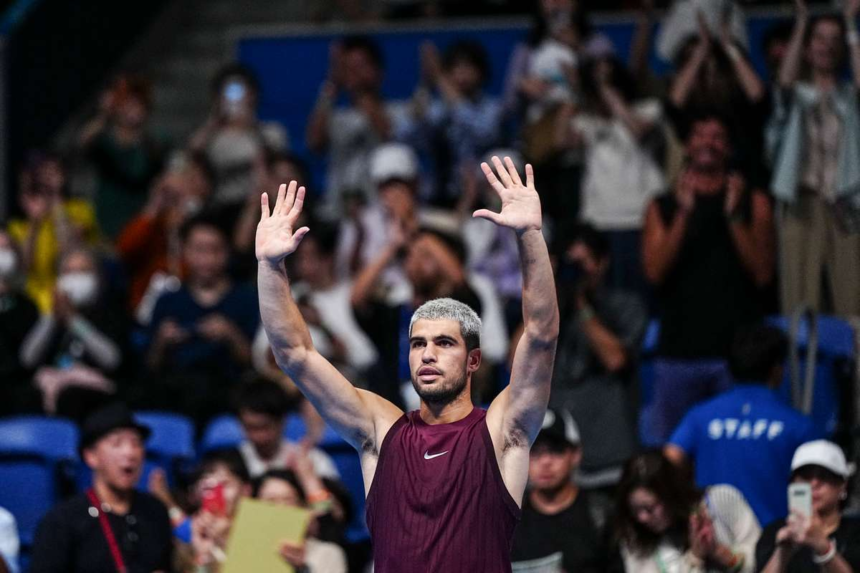
Alcaraz, the reigning men’s world number one, didn’t mince words when he described the current state of affairs as a tumultuous “mess.” His dissatisfaction reflects a broader yearning among athletes to reclaim their dignity and financial security in a sport where their very existence should not be fraught with uncertainty and neglect.
As the Japanese Open unfolds, Alcaraz’s fierce remarks resonate through the corridors of tennis governance, shedding light on the frustration simmering beneath the surface. Players are no longer willing to be passive recipients of decisions made under the guise of tournament management without their input. Their voices are rising against a status quo that continues to marginalize their contributions while the profit margins soar.
A Coalition of Change
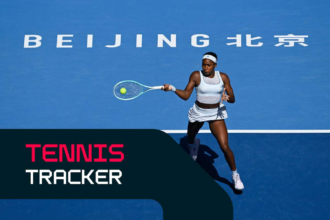
Alcaraz’s letter, joined by fellow luminaries such as Jannik Sinner, Coco Gauff, and Aryna Sabalenka, represents a significant shift. These aren’t just sporadic grievances but a unified front demanding a fundamental re-evaluation of how revenue is distributed and how players’ voices are heard in pivotal decisions regarding the sport.
This coalition aims for substantial improvements: a greater share of the earnings from these colossal events, more benefits, and a real stake in the direction of the tournaments. This is not merely a contract negotiation; it’s an uprising against an entrenched system that has benefited the elite while sidelining the very people who make these tournaments possible.
The Call for Unity
What makes this movement particularly striking is the acknowledgment that the players, regardless of their ranking or personal rivalries, share a common goal: equity and fairness within the sport. Alcaraz’s insistence on need for cohesion among the ATP, the Grand Slams, and the players’ interests reveals a fundamental aspiration to break the barriers that have kept their voices muffled.
“We are all tennis players and we are fighting to have something better for us,” he stated, echoing a sentiment of solidarity that has been long overdue. This fight for fair treatment transcends individual ambitions; it is a battle for mutual respect within an industry that has been too comfortable undermining its own talent.
A Future of Possibilities
The sentiments expressed by Alcaraz and his peers signal not only a willingness to confront uncomfortable truths but an invitation to rethink the future of tennis. By demanding these changes, they are challenging the powers that be, forcing them to reckon with the reality that without the athletes, these tournaments would be mere shadows of their current glory.
This is a pivotal moment for tennis, to either embrace a new path towards respect and fairness or to cling to a flagging system that has long stood unchallenged. As they fight for something better, the spotlight now turns on the organizations governing the sport—will they heed the call for reform or continue to perpetuate the injustices that have simmered for far too long?
In this charged atmosphere, the saga unfolds, and the stakes have never been higher for both the players and the governing bodies. The outcome of this fight could redefine the sport of tennis for generations to come.
Source: https://static.flashscore.com/res/_fs/image/2_others/bg.png