Formula 1’s Shadowy Grip on the United States Race Scene
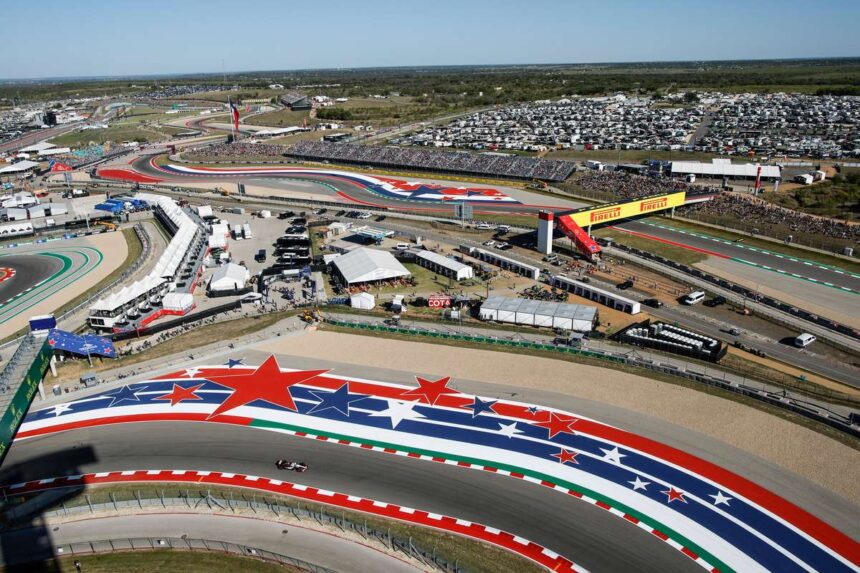
In a move that raises questions about the true motives behind the expansion of Formula 1 in America, the United States Grand Prix has secured its place in Austin through an eye-popping contract extension until 2034. While race organizers chirp about the “marvelous support” and the event being a “favorite stop,” the undercurrents suggest a deeper game where corporate interests collide with the history of automotive racing in the nation.
Circuit of the Americas: An Illusion of Stability
Since its inception in 2012, the Circuit of the Americas (COTA) has indeed wowed crowds; however, could it be said that this event merely serves as a gilded façade, hiding the complexities of a sport that fluctuates with the whims of sponsorship dollars? COTA’s chairman, Bobby Epstein, glorifies the “economic impact,” painting a big, rosy picture while the stark reality is often glossed over: the sport’s sustainability remains precarious in an ever-changing socio-economic landscape.
The Real Cost of Fan Favoritism
Epstein’s homage to fans and teams is predictable, yet blind to the existential question of whether this “favoritism” is genuine or merely a transactional relationship built on profit margins. With the US Grand Prix expected to eclipse the legacy of Watkins Glen as the longest-standing Formula 1 venue, one can’t help but wonder: are we accelerating towards authenticity or simply putting pedal to the metal on the fast track to commercial exploitation?
Flashing Lights Amidst Ignored Shadows
While events in Austin, Miami, and Las Vegas have attracted more than 430,000 attendees, the intensity of such numbers can mask harsher realities—such as rising discrepancies in wealth and the relentless chase for spectacle over substance. If the grand prix is truly on a quest to make a mark, then its contribution to local culture and community engagement begs scrutiny.
A Sport on the Brink of Identity Crisis
As Formula 1 becomes part of the American fabric, the question looms: is it morphing into a sanitized version that taints the very essence of competitive racing? The rumblings among traditional motorsport fanatics suggest a disillusionment, a sentiment that the flash of F1 might be overpowering the raw, grassroots appeal that birthed the sport. Racing has always been about skill and passion; yet, commercialization threatens to prioritize glitz over grit.
The Evolution of the Grand Prix: A Bitter Sweet Symphony
The cogs of compromise in this industry are relentless. The celebrated contract extension might appear as a win-win scenario, but at what expense? Every triumph in the marquee feels coupled with the agony of disillusioned purists, as the balance between heritage and modernization hangs on a tightrope. The question lingers: is the progress worth the sacrifice of authenticity?
Conclusion or Just Another Start Line?
The deal is crystal clear, yet murky beneath the surface. The dance between profit and integrity continues in the roaring engines of Formula 1. As Texas welcomes another decade of racing glory, a simultaneously subtle and deafening cry for genuine connection with the sport echoes in the underground chambers of motorsport history. What legacy will the United States Grand Prix genuinely forge—a monument to financial prowess or an enduring celebration of racing spirit?