Unraveling the Consequences of Sport Injuries
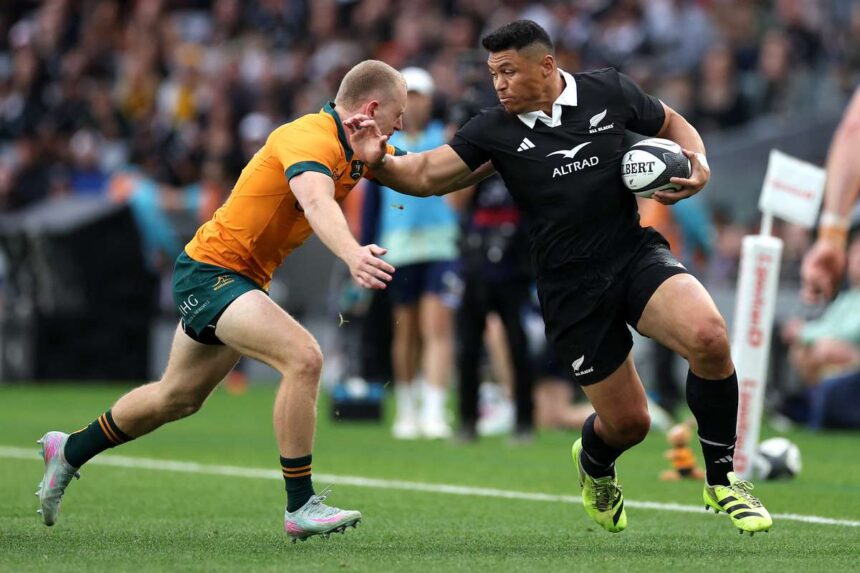
The sporting world is no stranger to injuries, yet the ramifications of these setbacks often get brushed aside, leaving fans and analysts ignorant of the deeper implications. Take, for instance, the unfortunate scenario surrounding New Zealand’s Caleb Clarke, who has been sidelined due to a concussion. This isn’t just a tale of one player; it’s a glaring red flag for the entire sport.
Concussion: An Ominous Threat
Concussions are not mere physical injuries; they are a ticking time bomb within competitive sports. Clarke’s absence from the field following a head-knock in a recent match highlights the inability of teams to protect their star players from such devastating fallout. Once again, the dark shadow of negligence looms large over those entrusted with the safety of athletes.
The Cost of Sacrificing Players for Glory
In today’s climate, the focus is tragically misplaced at times. The allure of victory often overshadows the basic responsibility teams have towards their players’ health. Coaches make statements acknowledging these losses while simultaneously sidelining serious conversations about the long-term effects of such injuries. How can the All Blacks be so eager to field a dream team at the risk of compromising the physical and mental well-being of their athletes?
The Irony of ‘Toughness’ in Rugby
Rugby glorifies a culture of toughness, often romanticizing injuries instead of confronting the grim reality they embody. As focus shifts to strategies and line-ups, the fiery ambition to forge a winning path detracts from what should be the utmost priority: protecting players from avoidable trauma. The rhetoric surrounding injuries is often filled with superficial sympathy rather than tangible action.
The Repercussions Beyond the Field
Conventional discussions often skim the surface, failing to recognize that each injury creates a ripple effect impacting not just the player but the entire team dynamics, fan expectations, and most importantly, the sport’s integrity. Clarke’s case is just a snapshot—a momentary setback. The true tragedy lies in the complacency of the sport in isolating such incidents rather than addressing the root concerns that afflict countless athletes.
The Hidden Cost of Athletic Sacrifice
As players like Clarke grapple with injury woes, the stark reality emerges: their sacrifice doesn’t merely affect them; it taints the very essence of competitive spirit. The relentless pursuit of greatness must be weighed against the literal cost of human health. Adrenaline-fueled match-ups should not blind teams from their ethical obligation towards ensuring players can step away from the field unscathed.
A Call for Accountability
Moving forward, the sports community must confront the uncomfortable truth—ignoring injuries like Clarke’s will not produce an invincible team but rather create a graveyard of shattered dreams and lost potentials. The players deserve better than a mere acknowledgment of their misfortunes. Bold action is crucial, as apathy now resonates louder than the cheers of victory.
The Uneasy Path Ahead
The path ahead for New Zealand’s All Blacks, as they attempt to put forth their best game against England without Clarke, is laden with both athletic and ethical dilemmas. How will the decision-makers reconcile the immediate hunger for triumph with the pressing necessity for player health? This pivotal moment in rugby serves as a fierce reminder that the greatest victories are hollow if achieved at the expense of human lives.
The eyes of the world are watching, and the legacy of rugby is at stake. It is high time for clarity amidst the chaotic dance of hyper-competitiveness—players’ health must ascend above victory celebrations, or the sport will find itself ensnared in a web of preventable tragedies.