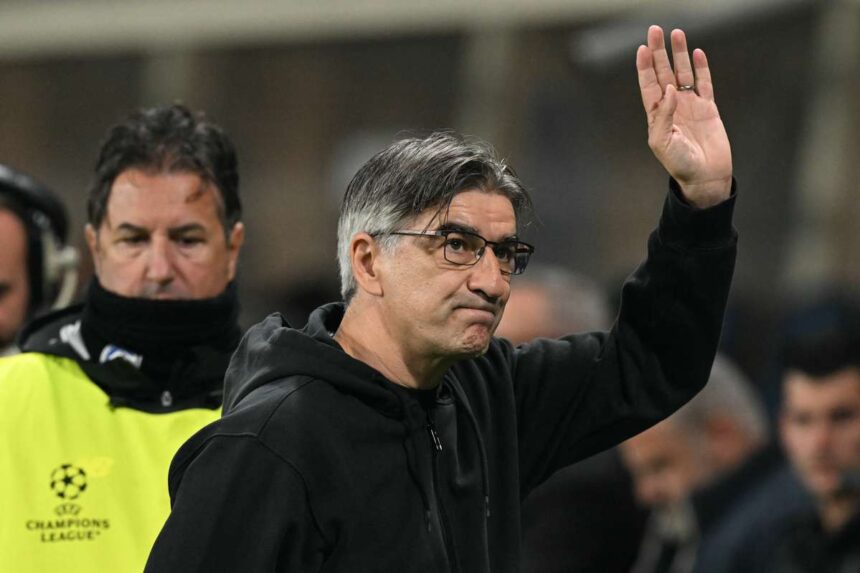
Atalanta’s Descent into Chaos
The landscape of Serie A reflects a troubling narrative as Atalanta finds itself marooned in the depths of mediocrity. The recent decision to part ways with head coach Ivan Juric after a dismal 3-0 defeat at home to Sassuolo serves as a glaring indictment of the club’s current direction.
A Pattern of Disappointment
Under Juric’s watch, expectations crumbled like a house of cards. Appointed to succeed the revered Gian Piero Gasperini, Juric was expected to ignite a fire that had all but flickered out. Instead, he oversaw a catastrophic spell that resulted in a mere two league victories from eleven matches, a stark contrast to the glory days of last season when Atalanta finished third.
Leadership Shake-Up
The official statement from Atalanta BC, while gracious in tone, belies a sense of urgency buried beneath platitudes. Thanking Juric and his staff for their contributions while hastily dismissing them reeks of the desperation now plaguing the club. It’s a classic move in football, but does it resonate with accountability or merely a futile attempt to placate a restless fan base?
Expectations vs. Reality
Seated in the 13th position, eleven points shy of league leaders Inter Milan, Atalanta’s prospects appear grim. The focus now plunges towards Raffaele Palladino, the rumored successor, who must confront the daunting task of revitalizing a squad steeped in disillusionment. His appointment, spurred by the need for a drastic turnaround, suggests the club is frantically searching for a savior in an environment rife with skepticism.
Juric’s Tumultuous Tenure
Juric’s storied career continues its rollercoaster trajectory. A stint at AS Roma ended in shambles, followed by a brief, ignominious chapter at Southampton. This pattern raises questions about his ability to inspire and innovate. Is he merely another name to add to the ever-growing list of managerial failures, or does he possess the tools necessary to return to his previous heights?
Future Uncertain
As Atalanta gears up for a confrontation against Napoli, there’s a palpable tension in the air. The club must confront a critical juncture—whether to reflect on the past failures or to galvanize for a possible resurgence. The tumultuous winds of change can either serve as a catalyst for renewal or plunge the team deeper into irrelevance. With pressure mounting, one question remains: can Palladino usher in a new era, or will Atalanta continue its downward spiral?
The Broader Implications
In the larger narrative of football, Atalanta’s struggles echo a universal truth: change is both necessary and perilous. Clubs often teeter between ambition and failure, and the choices made today will echo in the history books of tomorrow. As the sport evolves, what happens at Atalanta may well serve as a cautionary tale of the peril that comes with unrealistic expectations and a vicious cycle of blame.