The Radical Shift in Cricket Tradition
Cricket, a game steeped in history and tradition, is witnessing an audacious shake-up in Guwahati. Here, India and South Africa players will take tea before lunch in a bizarre twist that defies decades, if not centuries, of sporting etiquette. It’s a juxtaposition that leaves many sports purists aghast.
Rationale Behind the Unconventional Decision
This decision to flip the beverage schedule is driven by the stark reality of Guwahati’s natural environment. The Board of Control for Cricket in India (BCCI) is forced to adapt, confronting the early sunset that casts shadows on the cricket field long before games should wrap up. BCCI secretary Devajit Saikia emphasizes practicality over tradition. Justifying this controversial change, he states that the sun’s tyranny dictates the game’s structure in this region.
What This Means for the Test
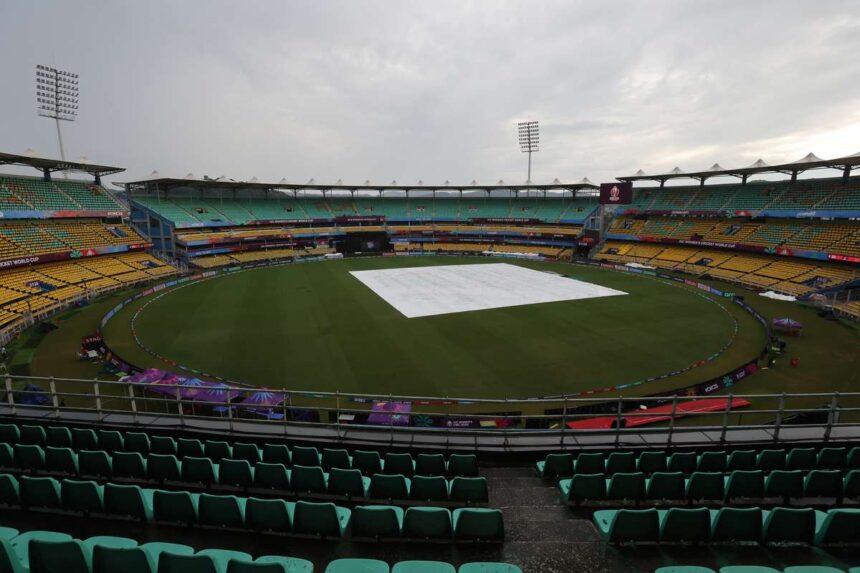
With the test match set to kick off on November 22, the players will be forced to bow to nature’s whims. The revised timing, which positions the toss at 8:30 AM and play beginning at a startling 9:00 AM, marks the first test match at Barsapara Cricket Stadium. Here, cricketing norms will be rewritten.
Players on the Comeback Trail
The stakes are higher as both teams integrate key players back into their squads. Rishabh Pant, India’s gifted wicketkeeper, makes a highly anticipated return from injury, while South Africa’s skipper Temba Bavuma joins the fray after overcoming his own hurdles. Their presence adds intensity and scrutiny to an already charged atmosphere.
The World Test Championship Context
With India presently standing third in the World Test Championship and South Africa in fourth, this test unfolds as a crucial battleground. Both teams vie not just for victory, but for their positions in the global hierarchy, making each run scored and every stare from the bowler that much more significant.
The Broader Implications
This dramatic scheduling shift raises broader questions about the nexus between traditions and practical necessities within professional sports. Are cricket’s established norms now too rigid to adapt to real-world distractions, such as the constraints posed by nature?
Concluding Thoughts
While the cricket community may find itself split on this controversial decision, one truth remains: The game must evolve, responding adeptly to the forces that govern it, whether they be climatic or otherwise. The upcoming test is not merely about the battle on the pitch but reflects a larger narrative about adaptability in tradition.
Source: Flashscore