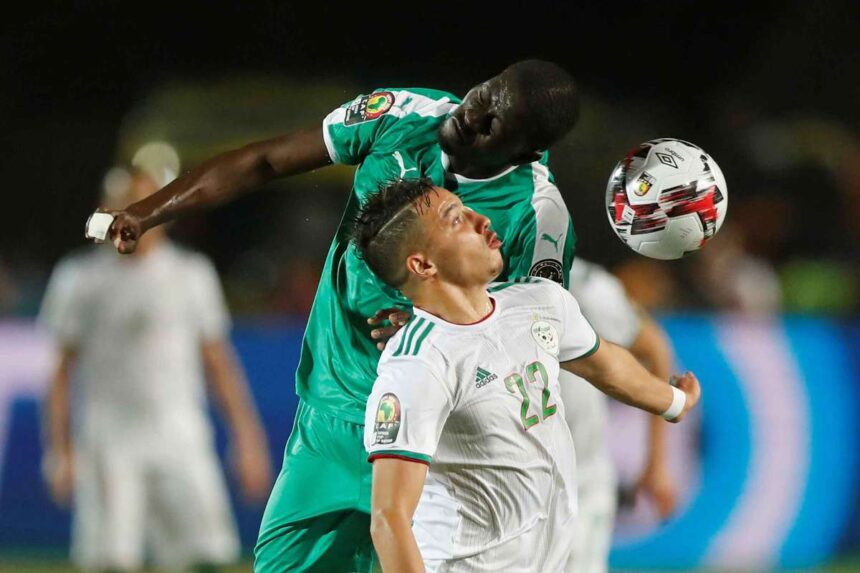
AFCON’s Transition: A Step Backwards or Forward?
In an audacious display of arrogance, the Confederation of African Football (CAF) has decided to stretch the Africa Cup of Nations (AFCON) from a biennial tradition to a quadrennial format. Aissa Mandi, the defender hailing from Algeria, has publicly endorsed this move, banking on the notion that it elevates AFCON to the ranks of other prestigious continental championships. This claim, however, deserves scrutiny.
Why Change a Winning Formula?
Since its inception in 1957, AFCON has resonated deeply with African football enthusiasts. The tournament thrived on its frequency, fostering rivalries and cultural exchanges every two years. Yet, Mandi echoes the voices of thought leaders suggesting that holding AFCON every four years aligns it with continental titans like the Euros. But should football’s vibrant pulse be slowed down to mimic the West’s calendar? A stagnant tournament might be the price for a skewed sense of prestige.
The Backlash from the Heart of Africa
Critics unfurl a tapestry of frustrations. Mali’s coach, Tom Saintfiet, doesn’t mince words, sweeping criticism towards FIFA for this maneuver. His passionate declaration encapsulates a sentiment shared by many: “Since 1957, Africa has organized the Cup every two years, now they say every four. It’s not fair. Africa must be respected.” One must wonder: why should a continent’s heartbeat be tethered to corporate decisions made in boardrooms far removed from its reality?
Pressure Points Built on Traditions
Let’s not forget the emotional gravitas embedded in AFCON. Beyond mere matches, it stands as a beacon of unity — a canvas where African nations exhibit their aspirations, struggles, and triumphs. By jeopardizing this legacy, CAF flirts with disillusion among ardent fans, who reverberate the message that the AFCON deserves more than what corporate suits deem fit.
A Diminished Spotlight on African Talent
With Algeria’s 3-0 triumph over Sudan signaling their potential, one can’t overlook the implications of this drastic shift in scheduling. As talents like Mandi emerge into the spotlight through consistent competition, a longer gap fosters obscurity rather than elevation. The developmental impact on young players is grave; they need the pitch and the limelight, not extended intermissions.
Whose Interests Are Served?
In a landscape where the security of long-standing traditions is dismantled in a heartbeat, one is left questioning: is this truly about the growth of African football or just a mechanism for financial gain? By deluding the essence of AFCON, are we perhaps sacrificing future generations’ dreams for temporary gains that serve elite interests?
Concluding Thoughts on Future Shows
The shift to a four-year AFCON demands profound reflection. As the tournament approaches its milestone years, the essence of African football hangs in the balance, caught between tradition and modernity. Can we silence the voices of the traditionalists without discounting a rich cultural tapestry woven over decades? Only time will tell if this decisive change upholds or unravels the very fabric of African football.