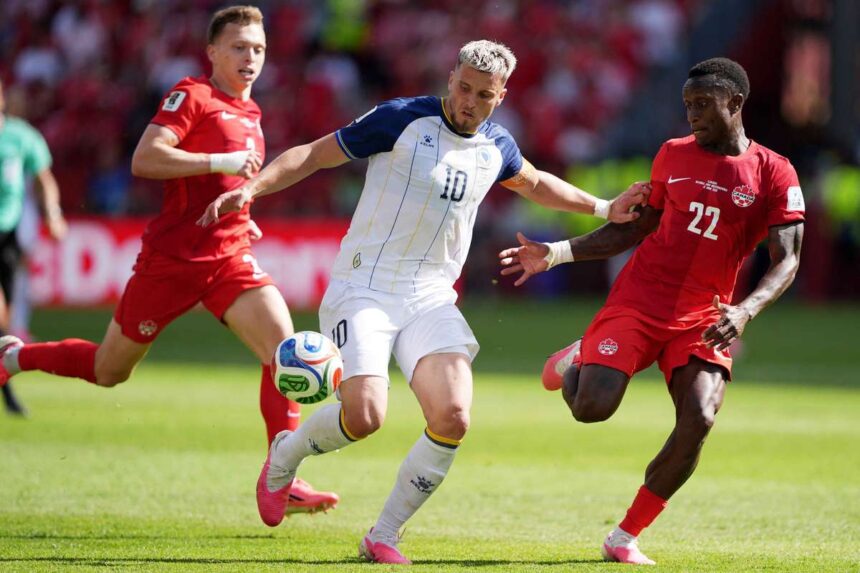
Five Key Takeaways from the Draw between Canada and Bosnia and Herzegovina
The much-anticipated match between Canada and Bosnia and Herzegovina saw the teams battle to a 1-1 draw in their Group B opener at the 2026 FIFA World Cup, a contest held at the iconic BMO Field in Toronto. This match encapsulated both the strengths and weaknesses of each side, and as we delve into the highlights, several conclusions can be drawn.
Canada’s Continued Struggles with Finishing
One predominant concern for Canada leading into the tournament has been their difficulties in breaking down opponents during open play. This issue was apparent during the match, where the Canadian team created a multitude of clear scoring opportunities but was unable to capitalize. Stars Jonathan David and Tani Oluwaseyi faced significant challenges in converting their chances. Thankfully, Cyle Larin provided a glimmer of hope by scoring from the bench, stepping up when the team seemed on the verge of being shut out. His performance may warrant a starting position in the upcoming clash against Qatar, as without his timely contribution, Canada might have faced defeat against Bosnia.
Bosnia’s Height Advantage on Set Pieces
Recognized for their imposing physical presence, Bosnia and Herzegovina capitalized on their height during set pieces. The Blue Dragons were a consistent threat during corner kicks and free throws, demonstrating their ability to make the most of aerial situations. Their lone goal came as a perfect manifestation of this advantage, with Jovo Lukic finding the back of the net from close range. While their proficiency in set pieces is well-known, Bosnia must also explore alternative scoring methods to bolster their tactics against more technically skilled teams where physicality may not be enough.
Nervousness of the Co-Hosts
With the weight of expectation and the home crowd behind them, Canada appeared jittery at the start of the match. Early on, several misplaced passes contributed to a disjointed and chaotic game flow, a situation that Bosnia adeptly navigated. As the match progressed, Canada required a hydration break to regroup and find their rhythm. This aspect will be crucial as they approach future matches in Vancouver, where the pressure could intensify in a larger stadium. Coach Jesse Marsch expressed the importance of a full house to boost morale but emphasized that his players must learn to manage match pressure more effectively.
Bosnia’s Defensive Mindset
In stark contrast, Bosnia and Herzegovina displayed a defensive mindset throughout the match, often opting for a more conservative approach. Even after taking the lead, they were relatively content to defend and finish the match with a draw. This tactic proved effective against a Canadian side struggling to penetrate a solid defense. However, head coach Sergej Barbarez expressed his regret over his team’s overly passive approach and acknowledged the need for a more balanced strategy moving forward, particularly in the absence of their key player, Edin Dzeko.
Canada’s Slow Build-Up Play
In addition to their finishing woes, Canada demonstrated sluggishness in their attacking transitions. The pace of their gameplay at times resembled a crawl, lacking incisiveness and clarity. While they improved after halftime, the need for quicker, more dynamic movements is paramount, especially in upcoming matches against teams like Qatar that might employ a similar defensive setup. Enhanced wing play and faster ball movement are essential for Canada to effectively unlock opposing defenses and secure crucial points in this tournament.