Odegaard’s Injury: A Heavy Blow to Arsenal
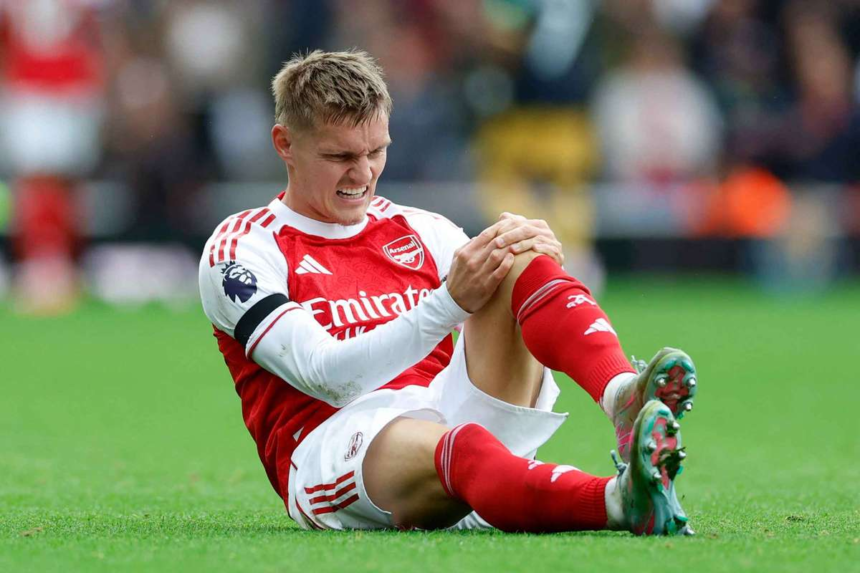
Arsenal’s Martin Odegaard is the latest high-profile casualty on the injury list, pulling out from the Norwegian national team due to a medial collateral ligament injury in his left knee. This unfortunate turn of events unfolds amidst Arsenal’s already fragile season as they grapple with constant fitness issues plaguing their star players.
The Cost of Commitment
In the Premier League clash against West Ham United, Odegaard suffered a setback that now sees him sidelined for crucial matches, including Norway’s upcoming World Cup qualifier against Israel and a friendly against New Zealand. A simple game has spiraled into a complex dilemma for the midfielder and his team, leaving a gaping hole in both club and national lineups.
Constant Injuries Erode a Season
The 26-year-old’s campaign has become synonymous with injuries. His latest setback arrives just weeks after he faced a shoulder injury that saw him miss vital fixtures. These recurring incidents add an air of uncertainty, raising questions about the depth of Arsenal’s squad. Are they capable of pushing through the rigors of the league without their captain?
Arsenal’s Future in Jeopardy
While Arsenal attempts to navigate through this challenging stretch, the implications of losing Odegaard extend beyond temporary absences. The psychological burden of injuries can weigh heavily on a team’s mentality, potentially crippling their performance trajectory as they strive to reclaim a top position in the league. The question lingers: can Arsenal muster the resilience to adapt amidst such adversity?
Reflections on Medical Management
Arsenal’s medical team now faces the daunting responsibility of ensuring Odegaard’s prompt recovery while mitigating the risks of aggravating existing injuries. Examining their handling of player fitness raises valid concerns about the overall management of athletes in high-stakes environments. Will they prioritize an expedited return at the cost of long-term fitness?
The Spotlight on International Fixtures
As international duties loom over club commitments, Odegaard’s withdrawal sends shockwaves through both Arsenal and the Norwegian squad. The intense scrutiny on player selection processes during these windows begs the question of whether preserving player health could take precedence over national pride.
Arsenal’s Tactical Response
With Odegaard’s absence felt acutely on the pitch, Arsenal’s manager, Mikel Arteta, has to reassess tactics and lineups. How will he compensate for the loss? The pressure mounts as rivals watch closely, waiting to capitalize on any hint of weakness in Arsenal’s ambitions to secure their standing in the Premier League.
Public Sentiment Towards Injuries
The fanbase’s discontent with the injury crisis is palpable. The imagery of a depleted squad taking the field, hobbled by misfortune rather than lack of skill, provokes frustration and disappointment. This raises broader concerns regarding player welfare and the burden imposed by modern-day football—where every match feels like a warzone for athlete endurance.
Injury’s Lingering Aftermath
As Odegaard and Arsenal grapple with this latest injury crisis, the full impact remains to be seen. The ramifications stretch well beyond mere matches lost; they serve as a stark reminder of the fragility inherent in professional sports, where every tackle and run could truncate a star’s progress and impact.
Looking Ahead
For Odegaard, the mantra now shifts to recovery and resilience as he navigates a path back to fitness. For Arsenal, the challenge is to adapt and innovate without their influential captain. Only time will reveal how this injury saga shapes the trajectory of their season.