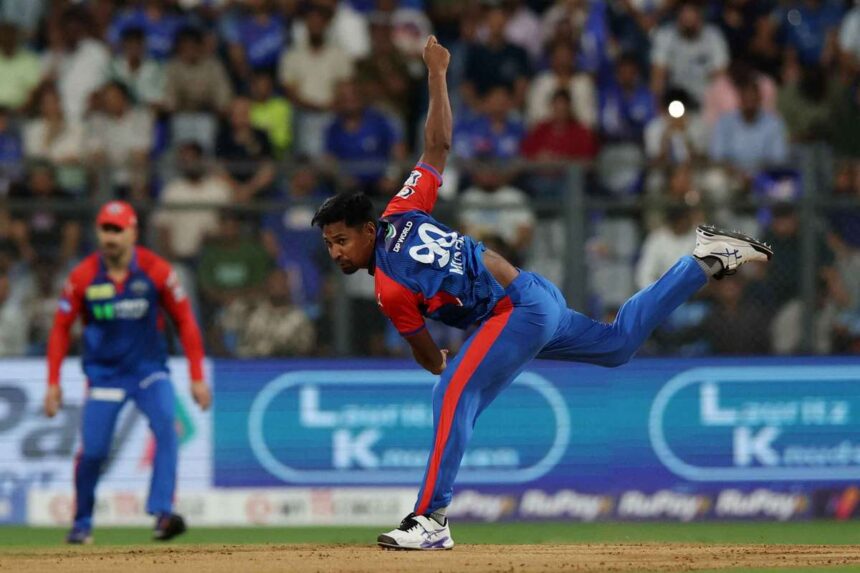
Shockwaves in the Cricket World: Bangladesh’s Bold Stand
In a shocking display of political might, the interim government of Bangladesh has taken the audacious step of banning broadcasts of the Indian Premier League (IPL) from local television. This drastic move comes in response to the Indian cricket board’s disgraceful decision to drop Mustafizur Rahman, a prominent Bangladeshi pacer, from the Kolkata Knight Riders squad. The implications of this decision stretch far beyond the realm of sports and into the turbulent waters of national pride and political tension.
The Snub that Sparked Outrage
Mustafizur Rahman, a player who had established himself as a star in the Bangladesh cricketing landscape, now finds himself at the vortex of a national outrage. The Ministry of Information and Broadcasting echoed the sentiments of an entire nation, labeling the decision to exclude Mustafizur as “illogical,” a humiliation that they argue has deeply wounded the spirit of the Bangladeshi populace. Such a public repudiation of a sportsman is more than a personal affront; it is a thumb in the eye of a nation striving to assert its stature in the global cricket community.
Cricket: A Battleground for Political Tensions
The backdrop to this sports drama is a fraught political relationship between Bangladesh and India. Tensions have escalated recently, triggered by violent incidents within Bangladesh, culminating in massive protests near the Indian High Commission in the capital. The beating and brutal murder of a Hindu factory worker in Bangladesh over alleged blasphemy sparked this outrage and, consequently, heightened scrutiny of the sporting decisions made across the border. The irony is palpable as the cricketing community, a platform for unity and competition, becomes a stage for highlighting national rifts.
Bangladesh’s Cricketing Future in Jeopardy
Moreover, with the T20 World Cup looming, Bangladesh’s refusal to engage in the tournament matches scheduled in India, insisting instead that they be relocated to Sri Lanka, showcases a deep frustration boiling over into defiance. This adds a layer of complexity to an already delicate international sporting landscape, where games are intertwined with diplomacy and national identity.
The Global Response: Silence from the ICC
As the International Cricket Council (ICC) remains conspicuously silent on Bangladesh’s demands, the cricketing world watches with bated breath. Will the ICC prioritize the politics of the situation over the integrity of the sport? Or has this decision set a precedent for nations to exploit sports as a means of political commentary and resistance? The unanswered questions linger heavily in the air.
The Broader Implications
This saga serves as a stark reminder of how sports can become a microcosm of larger social and political conflicts. The flaring tempers in this cricketing fusebox reveal the raw edges of national identity and the passions that drive athletes and fans alike. Amidst all this turmoil, what becomes of the game? Will Bangladesh emerge stronger in its resolve, or will it be further marginalized in the global cricket hierarchy, left to grapple with the broader injustices of international relations? Only time will tell.
In conclusion, the unfolding crisis over Mustafizur Rahman’s IPL exclusion and the resulting government ban is not merely a story about cricket; it illustrates how deeply intertwined sports and politics can be, reflecting broader societal struggles and national sentiments.