Withdrawal from the Hylo Open: A Blow to Badminton Enthusiasts
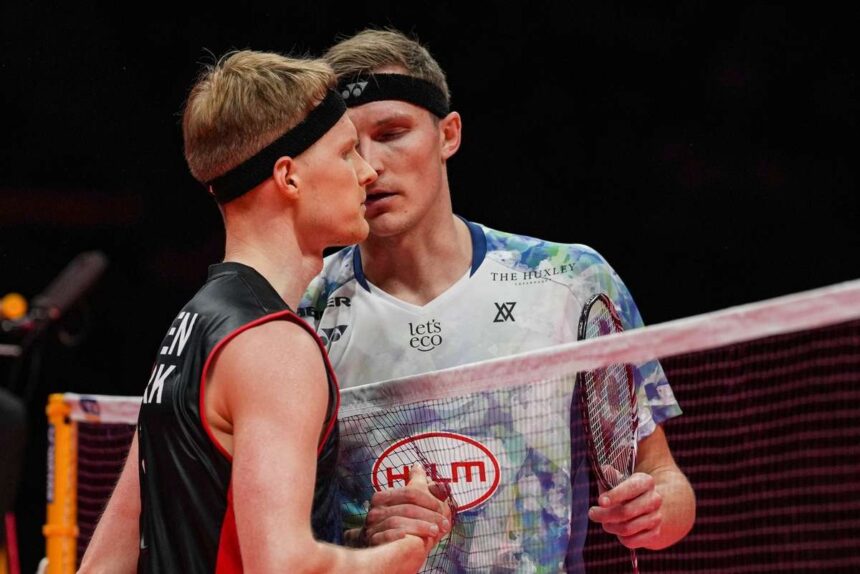
The anticipated clash of titans in the Hylo Open is overshadowed by an unwelcome announcement. Viktor Axelsen and Anders Antonsen, two giants of the badminton scene, have declared their withdrawal from the Super 500 tournament in Germany. Fans, who were gearing up for a thrilling showdown, are left in the lurch as they grapple with the realities of athletes’ physical limits.
Physical Trials and Tribulations
Axelsen took to Instagram, a platform where athletes often share both triumphs and trials, to express his disappointment. His revelation that his body is “simply not in good enough shape” after a grueling fortnight raises eyebrows and questions about the rigors of a relentless tournament schedule. It’s a stark reminder of the mental and physical commitments these athletes grapple with. What does it mean for the integrity of competitive sport when the threshold for peak performance remains on such a precarious edge?
Antonsen: The Glory and the Cost
Anders Antonsen, fresh off an impressive victory at the French Open, now faces the reality of his own limitations. Victories come at a price, and after navigating a series of exhausting matches, he too has opted to withdraw. His triumph, while a testament to his skill, also exemplifies the toll such competitions take on athletes. Are the accolades worth the potential for injury and downtime? This situation invites a broader reflection on how sports prioritize well-being against the backdrop of competition.
The Road Ahead: Applauding Remaining Stars
Despite the absence of Axelsen and Antonsen, the Hylo Open will continue, showcasing other Danish competitors like Rasmus Gemke in men’s singles and the promising duo of Kim Astrup and Anders Skaarup Rasmussen in men’s doubles. Yet, the shadow of the two star players looms heavily, prompting an exploration of the depth that exists within badminton’s ranks.
Beyond the Court: Implications for the Sport
This withdrawal begs critical questions about athlete management in high-stakes sports. As the allure of championship titles beckons, how do coaches and establishments promote a culture of health over a relentless quest for victory? The fatigue and stress faced by elite athletes are pressing concerns that demand immediate attention from governing bodies in the sport. Will there be a shift towards prioritizing player health, or will the vicious cycle of competition remain unbroken? As fans wait for the next round of matches, the narrative of athlete wellbeing must take center stage.
Reflections on Competitive Intensity
The absence of prominent figures like Axelsen and Antonsen highlights a disquieting truth: the relentless drive for success can lead to devastating consequences. As the world watches and waits for their return, the conversation around the mental and physical strains endured in professional sports needs to evolve. With the clock ticking until their next appearances, only time will tell how these athletes rebound from such demanding schedules.
Such a spectacle unfolds within the competitive sports realm, revealing the stark reality that glory often comes with hidden costs. The road may be paved with medals, but it is also littered with cautionary tales of exhaustion and sacrifice, challenging the very fabric of what it means to compete at the highest levels.