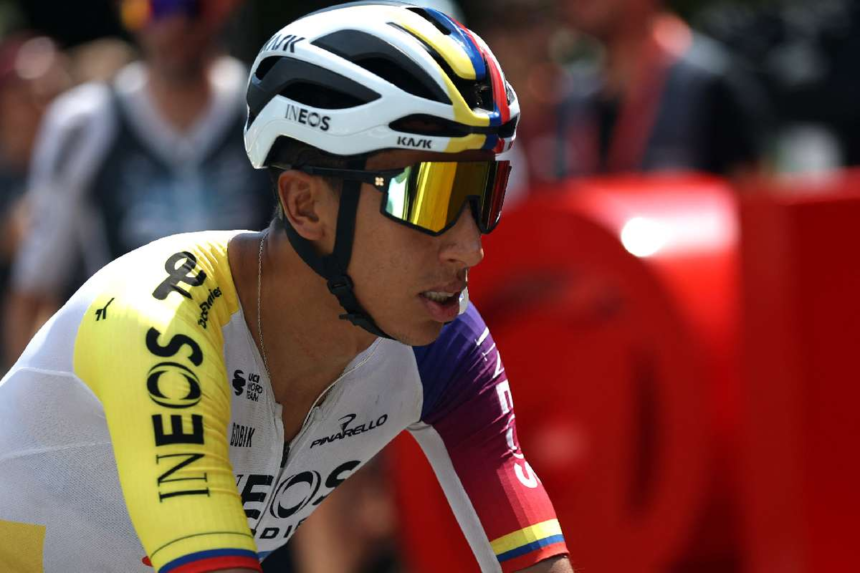
Egan Bernal Triumphs Amidst Chaos at Vuelta a Espana
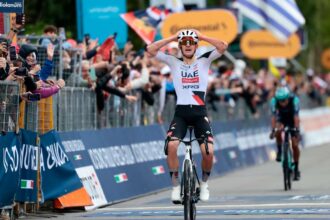
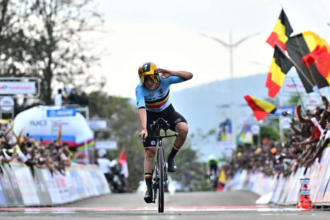
In a spectacle of sheer defiance, Egan Bernal came out on top during stage 16 of the Vuelta a Espana, a race marred by socio-political turmoil as pro-Palestinian protests hijacked the event. The Colombian cyclist, representing INEOS Grenadiers, seized victory as the finish line was abruptly shortened to eight kilometers from the scheduled end due to overwhelming protests. This is not just a race; it’s an explosive canvas where sports and society intersect, too often to the detriment of the former.
Protests Disrupt the Race
The scene unfolded dramatically when race directors announced a strategic halt, “We have a big protest at three km before the line,” they declared on Radio Vuelta, a signal that politics had sullied the purity of competition. The protesters, waving Palestinian flags, succeeded in blocking the path of cyclists, forcing a change to the race dynamics and resulting in a premature conclusion. Such actions lay bare the tensions that lie beneath the surface — a reminder that the athletic world is rarely insulated from global affairs.
A Moment of Victory marred by Controversy
As Bernal sprinted to the newly designated finish line, he likely bore the dual weight of victory and the visceral reality of the protests that disrupted his triumph. Mikel Landa from Soudal Quick-Step joined in a spirited pursuit but ultimately fell short, concluding in second place behind Bernal. In this arena, speed bicycles and political messages collided, proving once more that the race is but a backdrop to larger societal conflicts.
Historical Context of Protests
This stage was part of a larger narrative — one where the Vuelta has been plagued repeatedly by interruptions stemming from political demonstrations. Just days prior, stage 11 resulted in no declared winner as a result of similar disruptions — a gaping wound in the fabric of competitive sports that forces spectators to confront uncomfortable questions about freedom and expression. The repeated clashes between cyclists and protestors reveal the ongoing struggle wherein sport is used as a vehicle for broader ideological statements.
Competing Interests and the Race Ahead
As the peloton bore witness to the upheaval, one can’t overlook Jonas Vingegaard’s struggles; the overall favorite suffered greatly, arriving nearly six minutes post-victory, highlighting how disruptions have the power to skew not only outcomes but also the very competition structure itself. This competition is about more than just physical prowess; it encapsulates the strain between sport and societal upheaval, stagnant politics, and the very essence of competition itself.
What’s Next for the Vuelta?
Undoubtedly, the unfolding chapters of Vuelta a Espana now include a complicated blend of spectacle and activism. Organizers are confronted with the need to navigate these realities without compromising the integrity of the race itself. As protests continue to flare throughout the competition, the trajectory of not just the race but the spirit of competitive cycling itself hangs in the balance, posing a daunting question to all involved: how can a sport continue amidst such disarray?
One thing remains clear: Egan Bernal’s victory is a stunning reminder that even in the midst of chaos, accomplishments can soar — yet, they also stimulate an examination of the themes that are profoundly affecting more than the riders on the road.
Source: