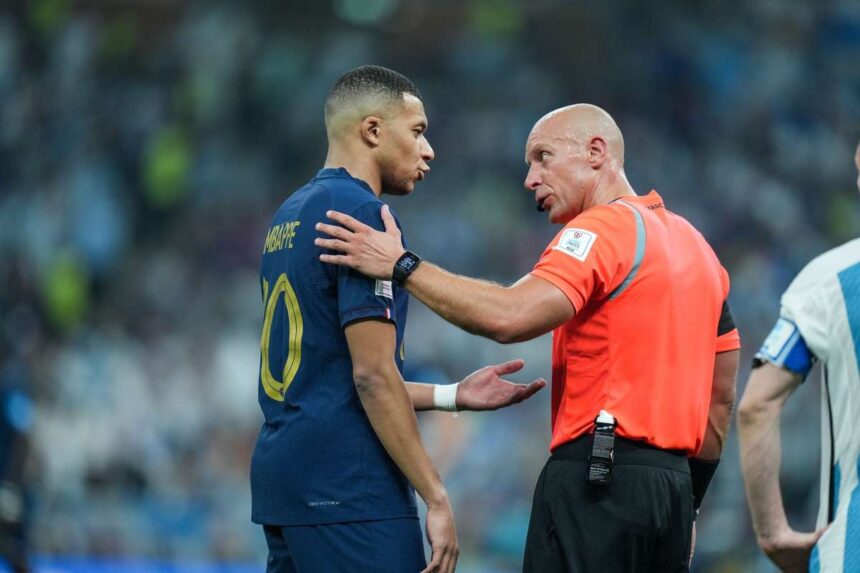
Keith Hackett Discusses World Cup Refereeing Challenges
The upcoming World Cup in 2026 is poised to be the most challenging tournament to date, featuring a total of 104 matches spread across three countries: the United States, Canada, and Mexico. To gain insights into the pressures faced by referees in this high-stakes environment, Flashscore interviewed Keith Hackett, a former referee and renowned authority in officiating. Hackett emphasizes the rigorous preparations and psychological challenges that referees must navigate during this extensive competition.
Intensive Selection and Preparation for Officials
As Hackett points out, the selection process for referees is incredibly competitive. Cultural pressures and expectations have led to strict monitoring of officiating performances over several years. Under the guidance of Pierluigi Collina and FIFA’s Director of Referees, Massimo Busacca, numerous workshops and training programs have been instituted to ensure that officials meet the required standards of fitness and knowledge of the game’s laws. The preparation includes both physical fitness assessments and online testing to reinforce rules and regulations.
Monitoring Referees’ Performance on the Field
During matches, officials’ movements, speeds, and recovery metrics are meticulously tracked to prevent those showing signs of fatigue from officiating games. Hackett describes this as a fundamental aspect of maintaining high standards: referees are expected to cover an average of 11.5 kilometers per match, including dynamic sprints exceeding seven meters per second.
Altitude Considerations for Matches in Mexico
Particularly challenging is the prospect of officiating matches in high-altitude venues such as the renowned Estadio Azteca in Mexico City, located 7,000 feet above sea level. Hackett stresses the importance of acclimatization, indicating that adjustments must be factored into referee assignments.
The Pinnacle of Refereeing: World Cup Final
Being chosen for the World Cup final represents the apex of a referee’s career. Hackett elaborates on what differentiates those who excel under the immense pressures of such critical games. Most officials selected for this event are not only the top referees in their respective countries but also boast extensive experience that has honed their decision-making abilities. This expertise is vital for effective game management, Conflict resolution, and ensuring timely kick-offs.
Consistency Among Officials is Key
Hackett underscores the significance of consistency between on-field referees and the VAR (Video Assistant Referee) teams. Through both workshops and online training, the selected officials engage in detailed discussions about various incidents, including handballs and foul play, to cultivate uniform decision-making across the officiating body. Any deviation from the standards set by Collina and Busacca could jeopardize a referee’s participation in the tournament.
The Evolution of Officiating
Reflecting on the transformation of refereeing, Hackett notes that officials are now under unprecedented scrutiny, with camera angles capturing every moment and replaying critical calls ad infinitum. He recalls his own experiences, stressing the importance of mental resilience in coping with errors, which must be immediately set aside to maintain focus on the match.
Strong Candidates Among England’s Referees
With England represented by top referees Anthony Taylor and Michael Oliver, Hackett believes both are well-equipped to handle the demands of the World Cup. Taylor’s composure was notably highlighted during a high-pressure situation at Euro 2020, and Oliver’s ability to thrive in critical moments makes him a fitting candidate for international challenge.
The Pressing Future of Refereeing
Daniel Siebert, having officiated at high-profile matches like the Champions League final, raises questions about the selection process as his absence from the World Cup squad was unexpected. Hackett notes that the field of refereeing is fiercely competitive, with selection margins exceedingly slim.
Conclusion: The Journey Ahead
As the 2026 World Cup approaches, officiating will be more crucial than ever. Set to commence on June 11th and run until July 19th, this tournament promises to be both exciting and demanding, featuring 48 national teams competing across numerous modern venues. Accurate and consistent officiating will be foundational for a successful and fair tournament.