IndyCar’s Costly Withdrawal from Mexico: A World Cup Affair
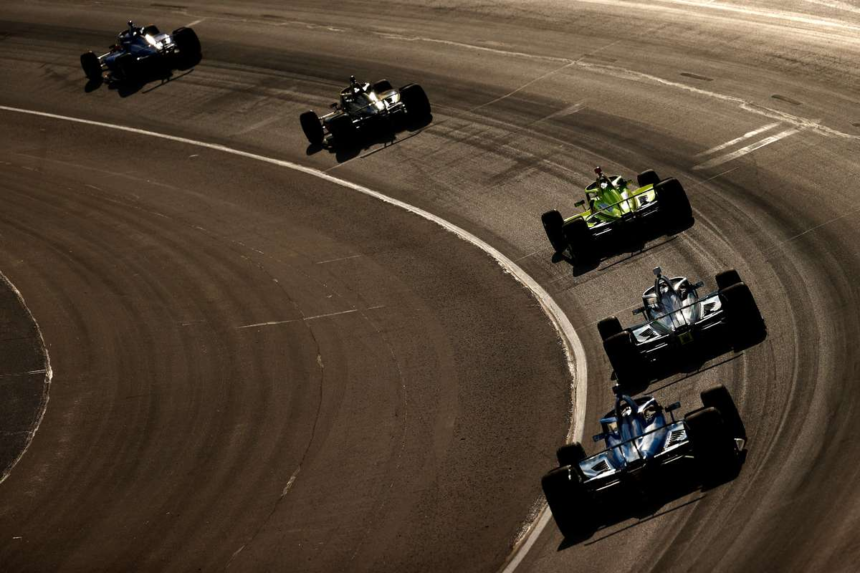
The IndyCar series, once poised for a thrilling debut in the bustling heart of Mexico City, faces an abrupt withdrawal for the 2026 racing season. The decision comes as a crushing blow to fans hungry for high-speed action, stemming from the logistical nightmare caused by Mexico’s role as a co-host of the FIFA World Cup alongside Canada and the US.
Penske’s Diligent Yet Fruitless Efforts
Mark Miles, the president and CEO of Penske Entertainment Corporation, conveyed palpable disappointment as he acknowledged the extensive negotiations that fell into a pit of despair. Despite teams working non-stop to secure a summer slot at the famed Autodromo Hermanos Rodriguez, the chaotic scheduling dictated by the World Cup proved insurmountable. Can you imagine the turmoil? A nation’s soccer ambitions overshadowing the roaring engines of a prestigious racing series.
Amidst Celebration, Racing Suffers
As the world gears up for a soccer spectacle, IndyCar fans are left in the dust. Miles’ blunt acknowledgment of the situation rings loud and clear—”the significant impact of next year’s World Cup proved too challenging.” It’s a stark reminder of how political and sporting priorities can quash the dreams of motorsport enthusiasts. The wheels of racing have ground to a halt in the face of a soccer frenzy, leaving many questioning the state of sports management and prioritization.
Searching for Silver Linings
In the haze of disappointment, there’s a flicker of hope. Miles insists that IndyCar isn’t folding its arms in resignation; rather, it’s vowing to keep pushing for a future event in Mexico. The commitment to delivering a “world-class and highly engaging race weekend” is commendable but raises the question: when will this eagerness translate into action? The fans deserve more than empty promises. They deserve a response that measures up to their passion for speed and adrenaline.
2026: A Year of Missed Opportunities
As the calendar turns to 2026, motorsport aficionados will be left yearning for what could have been—trading in the roar of racing engines for the dulcet tones of soccer celebrations. With the Indianapolis 500 scheduled for May 24 already set in stone, the dimming of Mexico City’s potential race is an unfortunate side effect of a sport’s sidelined aspirations. The line-up for races remains a waiting game, with scant details emerging on the overall schedule.
The Lesson in Logistical Chaos
The fallout from this situation serves as a glaring example of how intertwining sports can lead to missed opportunities and deep-rooted frustrations. IndyCar’s ambition to expand into vibrant markets like Mexico stands as a testament to the sport’s growth but reflects the harsh reality of competing events that can hold such plans hostage. As fans await clarity, the motorsport world watches closely—will this be a one-off setback, or a trend where racing is overshadowed by the allure of football?
A Call for Strategic Management
It’s time for sports organizations to rethink their approach to scheduling, creating systems that accommodate the electric enthusiasm of diverse sporting fields, rather than letting one overshadow another. Until then, the echo of engines will be stifled by the cheers of soccer supporters, leaving racing fans trapped in a cycle of disappointment.