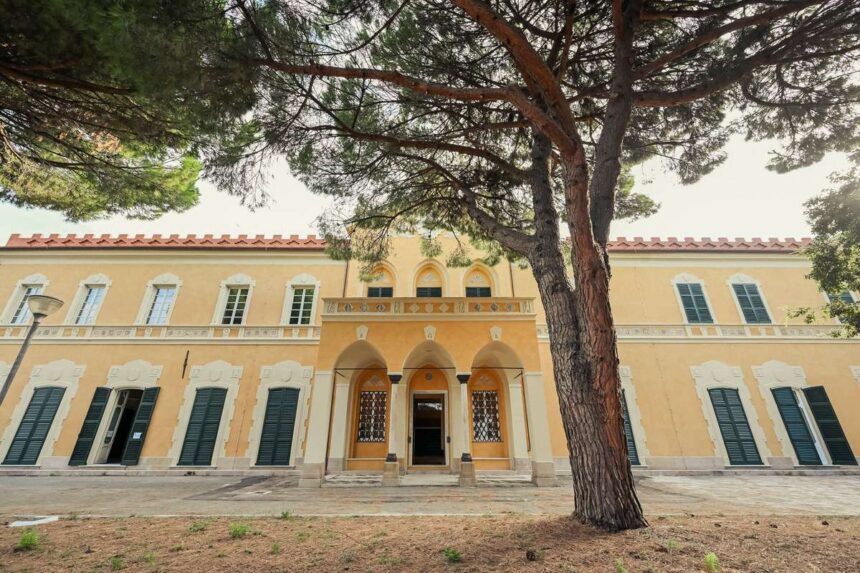
Genoa FC’s Youth Academy: Breathing New Life into Historic Grounds
Genoa FC, the venerable titan of Italian football and the country’s oldest club, has embarked on a revolutionary venture by transforming a 12th-century abbey into its new youth training hub, the Badia di Sant’Andrea. This ambitious project is not just about preserving history; it symbolizes a fervent rebirth of youth development amidst the turbulence of modern football.
A Legacy Reimagined
The Badia di Sant’Andrea is more than a relic of the past; it is now the very foundation upon which Genoa aims to rebuild its future. With an investment exceeding €4.5 million, the club is signaling a commitment to pouring resources into nurturing the next generation of players. The renovation was partially funded by passionate fans, proving that this endeavor is not merely a corporate project but a community effort.
Roberto Trapani, head of the Youth Sector, emphasizes the pride Genoa feels in intertwining their rich tradition with this historic site. However, such pride must translate into action, particularly in a fiercely competitive Serie A.
Confronting the Harsh Reality of Modern Football
In an arena where mid-table teams like Genoa struggle to keep pace, the necessity to focus on youth development becomes glaringly evident. The reluctance of countless clubs to trust their younger players must crumble under Genoa’s bold initiative. Trapani makes it clear: this is not a matter of ideology; it’s an imperative born from desperation.
As Genoa dances perilously close to relegation, the urgency of infusing youth into the first-team dynamics is palpable. With new coach Daniele De Rossi, who is tasked with steering this ship safely through troubled waters, a fresh approach rooted in the academy’s backbone is essential. After all, surviving in Serie A is not just about avoiding defeat, but about fortifying the very identity of what it means to be Genoa.
The Anatomy of the Academy
The Badia provides more than mere shelter; it is a well-equipped sanctuary complete with training pitches, study rooms, and living quarters that foster the development of young athletes. Here, they can flourish away from the distractions of the world, enveloped in a supportive environment designed for their success.
The integration of Primavera players into the first team becomes imperative, as Trapani and his cohort see their young charges not as mere talent, but as the lifeblood of the club. The insistence on training with the first team stresses the importance of building a bridge from youth to senior football that is often neglected in other institutions.
Facing Down the Crisis in Italian Football
Italian football has been plagued by neglect in youth development for far too long. Genoa’s initiative seeks to defy this downward spiral by crafting a strategy that not only benefits the club but revitalizes the integrity of their league. In a landscape dominated by foreign players, identifying local talent and nurturing it through rigorous training becomes essential.
The example set by players like Honest Ahanor, who commanded a youthful €17 million transfer to Atalanta, must serve as a beacon for aspiring talents. Such moves are crucial to rectifying the financial instability that many Italian clubs face, and they illustrate the potential profit to be gained from investing in homegrown talent.
Crafting the Future of Football
As Genoa’s academy begins to churn out proficient players, the overarching goal remains steadfast: to secure opportunities for these young athletes within the first team. Trapani articulates a vision where the successful integration of youth into competitive play not only enhances the club’s prospects but also fosters a culture of endurance that could lead to sustainable success.
With the competitive spirit palpable among the Primavera squad, the earlier apprehensions of player integration will hopefully dissolve into a motivational force driving them forward. Each training session carries the weight of expectation, and thus far, those expectations appear to be materializing into commendable results on the pitch.
A Glimpse Into the Evolving Tactics
The tactical evolution within Genoa’s ranks reveals a significant shift from the possible lethargy commonly seen in youth teams. The emphasis on strategic analysis and the need for high-pressure defensive play mimic the professional environment, bridging the gap between youth and professional football. This is where Genoa must capitalize—the players are eager to adapt and grow, and the structure is now in place to facilitate that growth.
As Genoa’s youth navigate the unpredictable waters of Serie A competition, the stakes for the club rise ever higher. Trapani’s vision resonates: their Scudetto isn’t simply about trophies but rather the noble endeavor of ensuring that every young player has the chance to shine.
By integrating youth talent effectively and fostering a culture of resilience, Genoa stands not just to transform its own squad but contribute to a renaissance in Italian football. The intertwining of history and modern youth development offers a glimmer of hope in a sport that desperately needs it.