NHL’s Blunt Reality: World Cup of Hockey Cities Get the Axe
In an announcement that has sent ripples through the hockey community, the NHL has trimmed its prospective host list for the 2028 World Cup of Hockey down to a mere 16 cities. This selection process reveals the stark reality of a sport grappling with logistics and competition for glory, confined by budgetary constraints and interests that diverge from the heart of the game.
Two Continents, Two Hosts—A Complex Future
The NHL’s deputy commissioner, Bill Daly, laid bare the future framework: one North American city will join forces with a European counterpart to host this highly anticipated event. The chosen cities will host round-robin matches in February 2028, leading up to the semifinals and the final showdown, which will take place in the North American city. This selective process harks back to a sense of exclusivity that the league maintains vigorously, perpetuating the competitive edge over potential rival sports.
Silence on Specifics—A Game of Uncertainty
Despite the weight of anticipation, specifics remain shrouded in mystery. Montreal and Boston are among the competitors for the coveted North American slot, having previously showcased their prowess during last season’s NHL Four Nations Face-Off. Yet, the veil of anonymity cloaked the other cities vying for a chance to host the Cup as Daly revealed no distinctive front-runners, amplifying an air of uncertainty amidst eager fans and potential host markets.
Awaiting Judgment: The Cities Stay in Limbo
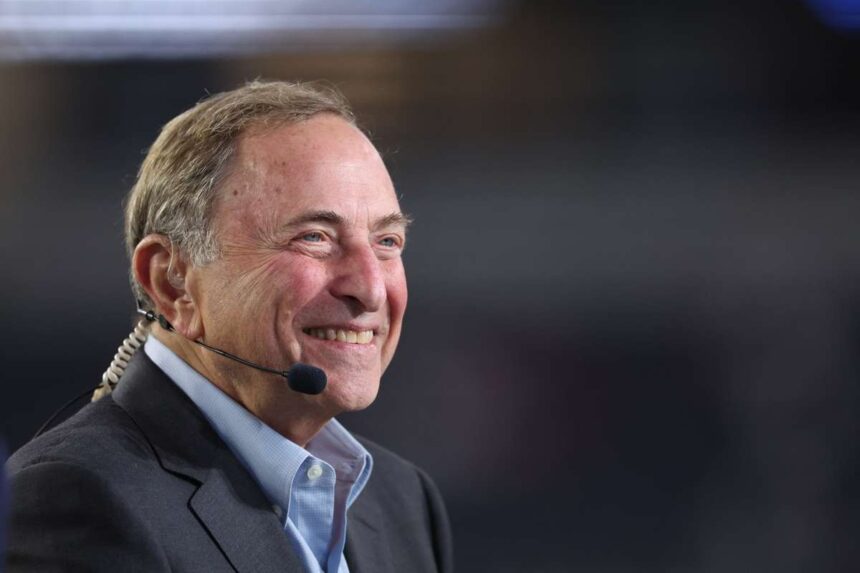
Gary Bettman, the NHL commissioner, emphasizes that the evaluation process continues—one rife with pressure as cities await the final verdict. The backdrop of past events highlights the enthusiasm and support catering to hockey, yet the specter of “lots of cities interested” paints a harsh truth: the NHL’s gaze is relentless and fixated not just on cities that turn up in numbers, but on those that elevate the grandeur expected from such a prestigious event.
Impending Announcement: The Timeline Tightens
The NHL plans to unveil the host cities come February, ideally after the Winter Olympics in Italy, hinting at a future where the power dynamics of sports meet uncertainty and glamour head-on. As spectators wait, expectations swirl—an underlying tension looms, as the fate of cities and their passionate fans hangs in a precarious balance.
A Wider Context: The Emergence of Brady and the NHL’s Public Image
While enthusiasts discuss the prospects, it’s crucial to interrogate the broader implications surrounding the image of the NHL. The league stands amidst fierce competition—from evolving fan engagement trends to the unpredictable realities of international sports events. The choice of host cities, mired in political maneuvering, must reflect not just the game’s past but embrace an audacious vision for its future, irrespective of how tarnished or glorified that vision may be.
As 2028 approaches, the NHL must grapple with more than just logistics; they must grapple with legacy, image, and the unyielding demand for excellence cradled in the heart of the sport.