Nigeria’s Struggle Behind Victory: A Disturbing Tale of Discontent
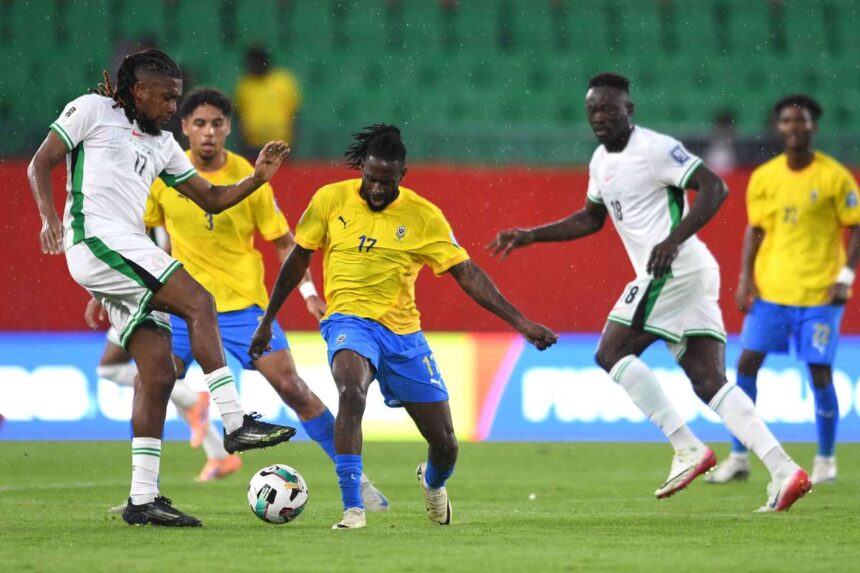
In a dramatic showdown that highlighted both the relentless spirit of the Nigerian team and the underlying turmoil brewing within, Nigeria managed to claw their way past Gabon in the World Cup playoff semi-finals with a 4-1 win.
However, the victory didn’t come without its specters. Just days before the match was to unfold, the Super Eagles, laden with grievances over unpaid bonuses, threatened to strike, leaving the nation teetering on the brink of despair. This scenario raises glaring questions about the abyss of corruption festering within the football federation, turning a national pride into a mockery of ethics and accountability.
Game of Shadows: A Mirror of Mismanagement
The match itself was a battleground that mirrored the chaos off the field. In a climate clouded by rain and controversy, Nigeria’s Akor Adams seized an opportunity from a catastrophic miscalculation by Gabon’s Aaron Appindangoye, crafting the opening goal with ease in the 78th minute. Yet, a mere 11 minutes later, Mario Lemina’s sudden equalizer for Gabon stunned the Nigerian side, plunging the match into extra time and underscoring the precarious nature of their situation.
It was a small glimmer of hope for Gabon, but rather than spurring Nigeria to dig deeper into their reserves, it merely showcased the fragility of a team that should have been buoyed by unity and resolve. Instead, it seems the goal was more of an indictment on Nigeria’s inability to maintain composure under pressure born not just from the game, but from discontent aimed at the higher echelons of management.
Osimhen: From Blunder to Brilliance
Especially poignant was Victor Osimhen’s performance — a rollercoaster of emotions encapsulated within a single match. After missing a glaring chance to seal the deal earlier in the game, Osimhen redeemed himself to net two crucial goals during extra time that propelled Nigeria toward the final. His resurrection as a hero serves not only as a testament to individual resilience but as a scathing criticism of the systemic failures that plagued their preparations. The narrative of a player transcending personal failure shouldn’t overshadow the reality of an institution fraught with mismanagement.
A Sordid Display of Neglect
This is more than just a game. It exposes the neglected promises that haunt the players, bitter reminders of a footballing federation mired in incompetence and greed. As the players finally ended their strike, hoping for respect and remuneration, it was a devastating reminder of the ugliness lurking behind the glamour of international football.
Nigeria’s passage to the playoff final is noteworthy, yet it’s impossible to ignore how this victory was underpinned by a conflict rooted in deep-seated issues of financial irresponsibility. With eyes now fixed on the impending finale against either Cameroon or the Democratic Republic of Congo, the Super Eagles must rise above the lack of support and chaotic governance. Whether this battle within the management can be rectified remains to be seen, but the wounds opened during this playoff will take more than glorious goals to heal.
Closing Thoughts: A Call for Change
As Nigeria looks to reclaim its standing on the global stage, the echoes of their struggle resonate louder than the roar of the crowd. The victories are hollow when accompanied by the sobering reality of neglect and betrayal at the hands of those responsible for fostering the nation’s talent. This dire situation calls for urgency in reform: a shift from complacency towards accountability before the overshadowing storms of discontent drown out the cheers of victory.