Structuring the Crumbling Foundations of Cricket
In a disheartening turn of events, Pakistan’s fast bowler Shaheen Shah Afridi has been sidelined with a knee injury while participating in Australia’s Big Bash League. This isn’t just another injury; it epitomizes the precariousness of athletic careers in a world that seems increasingly indifferent to the physical toll of professional sports.
The Unforgiving Nature of Competitive Sport
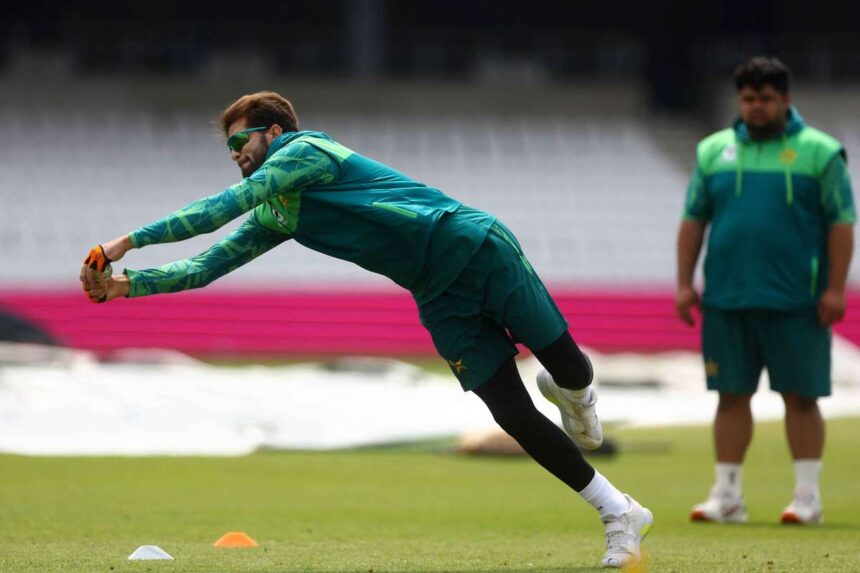
Afridi, a mere 25 years old, now faces an arduous recovery process ahead of the crucial T20 World Cup commencing in February. His injury, a cartilage mishap sustained while fielding during a significant match against the Adelaide Strikers, serves as a brutal reminder that even the most promising athletes can swiftly become casualties of their chosen path. This is not simply a setback; it is a stark illustration of the relentless pressure to perform that modern sports demand.
Corporate Interests Over Player Health
The statement from the Brisbane Heat, Afridi’s team, conveys an all-too-familiar pattern: athletes are often pushed beyond their limits, valued more for their immediate contributions than for their long-term health. The response from the Pakistan Cricket Board’s medical staff culminating in the decision for Afridi to return home reflects a systematic failure to protect players in the grind of high-stakes competition.
Illusions of Glory
Despite these challenges, Afridi expressed enthusiasm for the BBL, noting it was “everything he had heard it would be.” Herein lies the tragedy: the seductive allure of fame and glory in sports can blind athletes to the brutal reality that their well-being is often secondary to the interests of franchises and sponsors. The thrill of competition can mask the deep-seated issues that threaten their careers at a moment’s notice.
Future Ambiguity and National Pride
As Pakistan gears up for the T20 World Cup, Afridi’s absence looms large. The team will kick off their campaign against the Netherlands, and there is no doubt that fans feel the weight of missed opportunities. In a sport where momentum is everything, losing a player of Afridi’s caliber is a devastating blow that could resonate far beyond the confines of a cricket pitch. The stakes are high, and the pressure mounts.
Reflection on the Cost of Athleticism
Thus, the plight of Shaheen Shah Afridi extends beyond personal hardship; it serves as a microcosm of a larger systemic issue within the sporting world. The relentless pursuit of victory and prowess often comes at the expense of player safety and integrity. As audiences celebrate the sport, one must ponder the underlying mechanisms that prioritize performance over humanity. Is this truly the legacy we wish to endorse in our fervor for athletic excellence?