Cricket’s Technological Woes: A Symptom of Systemic Failure
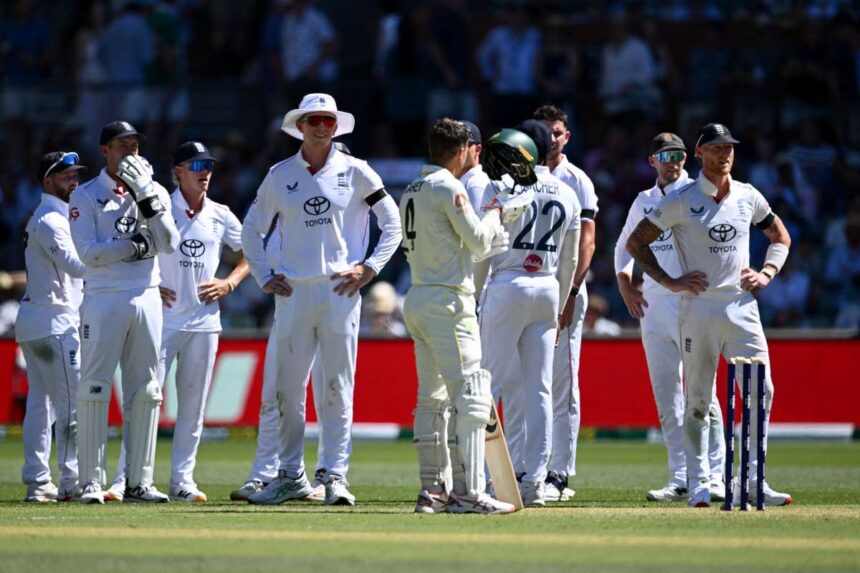
Amid the roaring chaos of the Ashes, a scandal has erupted, igniting fervor and disbelief alike. The notorious Snicko technology, once revered as the panacea for umpires’ misjudgments, faltered spectacularly when it failed to correctly assess the fate of England’s Alex Carey. This blunder, an absolute mockery of accountability, has achieved a new low in the world of cricket.
Carey’s Lucky Break: A Grave Mistake Acknowledged
On a day meant for heroes, Carey found himself dancing on the edge of disaster. A palpable sound was picked up by the stump microphones, a sound that should have led to his dismissal. The universe conspired to keep him at the crease—thanks to a botched review that returned palpable confusion to the field. England’s appeal was dismissed with a nonsensical reinforcement of the umpire’s on-field decision, proving technology’s fallibility, and revealing a deeper, terrifying truth: the supposed safety net offered by technology is perfidious and woefully unreliable.
Attacked by Voices: Human Error Defined
Todd Greenberg, the head of Cricket Australia, articulated the frustration that swept through the cricketing community. The claim that this “howler” was simply human error is a feeble, pitiful excuse. A faulty Snicko should have never made it past initial evaluations. This is not simply a case of ‘oops’; it reflects an industry that is continuously fumbling its accountability, prioritizing profit over accuracy.
Reacting to the Outrage: England’s Response
With their hearts racing and tempers flaring, the English players found themselves baffled by the blatant incompetence of those entrusted to safeguard the integrity of the game. The renewed review, granted retroactively, is akin to handing a lifeline to a drowning man—too little, too late.
The Call for Calm: A Bizarre Demand in the Face of Injustice
Former England captain Mike Atherton’s placating words echoed through the media landscape as he urged critics to remain stoic amidst the uproar. But what does his plea reveal about the state of contemporary cricket? The casual acceptance of human error is not a badge of honor; it is a grievous oversight. Atherton’s nostalgia for a bygone era glosses over a pressing reality—mistakes today can be lethal, particularly when one life-altering decision can take the game away from deserving athletes.
Conclusion: An Unstable Future for Cricket
The ongoing drama surrounding the Snicko debacle underscores a broader dilemma within cricket. The technology meant to enhance fairness has, instead, accentuated the glaring flaws in its implementation. As Greenberg and company scramble for answers, one question looms large: how can the sport demand respect while steadfastly embracing mediocrity? The cricketing community must confront the sinister truth lurking within its processes or risk spiraling into eternal uncertainty.