Jack Draper’s Setback: A Season Unraveled
The world of tennis has been shaken once again, as Britain’s Jack Draper, currently the world’s seventh-ranked player, has announced that he will sit out the remainder of the year due to an alarming arm injury. A physically demanding sport, to which he’s dedicated his life, now seems to wield an unbeatable weapon against him — his own body. Draper, once aiming for a strong finish to the season, has been forced into a hiatus that begs the question: is the road back ever truly guaranteed in this brutal game?
Promise to Disappointment
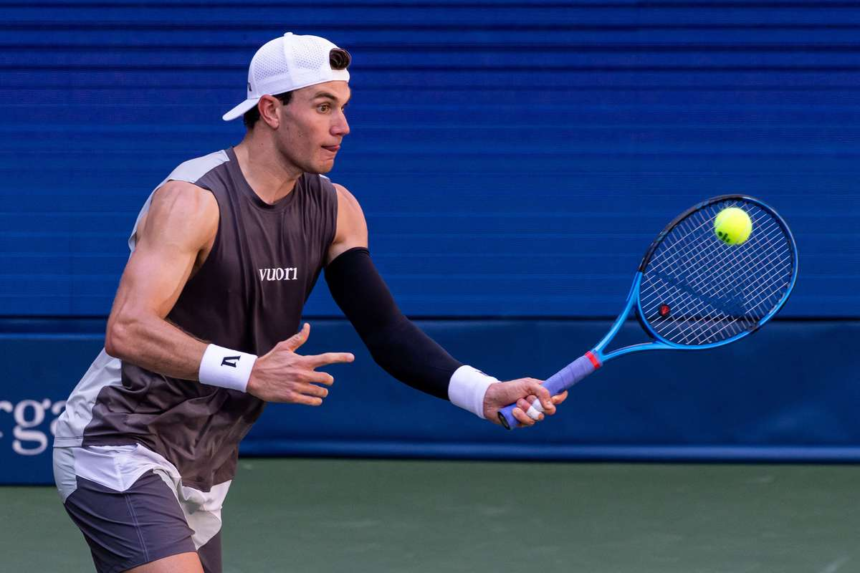
Draper initially dazzled spectators with his promising run at the US Open, only to be sidelined before even facing his second-round opponent, Zizou Bergs. It’s a stark reminder of the razor-thin line between triumph and tribulation in professional sports. A bruised humerus became his nemesis, wiping out ambitions and casting a daunting shadow over his future aspirations. The audacity of such injury in the midst of elite competition raises eyebrows and evokes sympathy, but does it reflect a broader issue within the sports realm? Can athletes really recover without fearing chronic setbacks?
Future in Jeopardy
With the announcement of his condition, Draper has been unflinchingly candid about the implications. The reality hits hard: “Unfortunately, the injury to my arm is something I have to rest and means I’ll be sitting out the rest of 2025,” he stated with a mixture of resolve and resignation that sends chills down the spines of his supporters. The landscape of professional tennis is unforgiving, and injuries have a way of decimating careers, leaving even the most promising players to ponder what might have been.
Reflecting on Ambitions
Draper’s last meaningful appearance was a stirring semi-final at the previous US Open, where he faced off against Jannik Sinner, a match he lost, but echoing the bittersweet nature of sports — you might be searching for glory one moment, but the next might present a treacherous fall. Is this what elite athletes confront regularly — a game that is less about winning and more about avoiding injury? It feels like a sinister game of roulette, with hearts and careers on the line.
Time to Reassess
As he steps back to heal, a different battle awaits Draper. The emotional toll of withdrawal, the paradox of physical prowess juxtaposed against vulnerability, and the incessant pressure to return stronger — these elements form a perplexing cocktail that only a select few can truly navigate. The tennis community holds its breath, caught in the limbo between admiration for talent and the inevitability of human fragility.
The Cost of Recovery
This situation raises uncomfortable questions about how the sport itself supports its warriors. The ruthless pursuit of excellence often sidelines the human element, making the healing process not just a physical journey but a mental odyssey as well. The struggle to maintain motivation and resilience amidst such adversity deserves to be acknowledged — will sport reform to better accommodate its athletes, or shall it persist in letting them plummet under the weight of demands?
Ultimately, as Jack Draper recedes from the court, nursing his wounds, a broader reflection simmers beneath the surface — a society enthralled by athletic prowess must grapple with its responsibility towards the well-being of its champions. The roar of the crowd can fade, but the echoes of their stories — triumphant or tragic — remain indelibly etched in the annals of professional sports.
Source: Flashscore