Lanka Premier League Team Co-Owner Arrested Over Match-Fixing Allegations
In a dramatic twist within the realm of cricket, the co-owner of a team in the Lanka Premier League (LPL) has been apprehended amid serious accusations of attempting to bribe a player. The individual, identified as Manjot Kalra, faced arrest in a hotel located in Colombo just hours before the commencement of the tournament, raising alarms over the integrity of the event.
According to Inspector Supun Vidanage from the Sports Investigation Unit, Kalra was caught in the act of preparing to pay a player a substantial sum of 9.5 million rupees, equivalent to approximately $28,700. This startling incident underscores the ongoing concerns regarding corruption in the cricketing world, particularly in leagues governed by less stringent oversight.
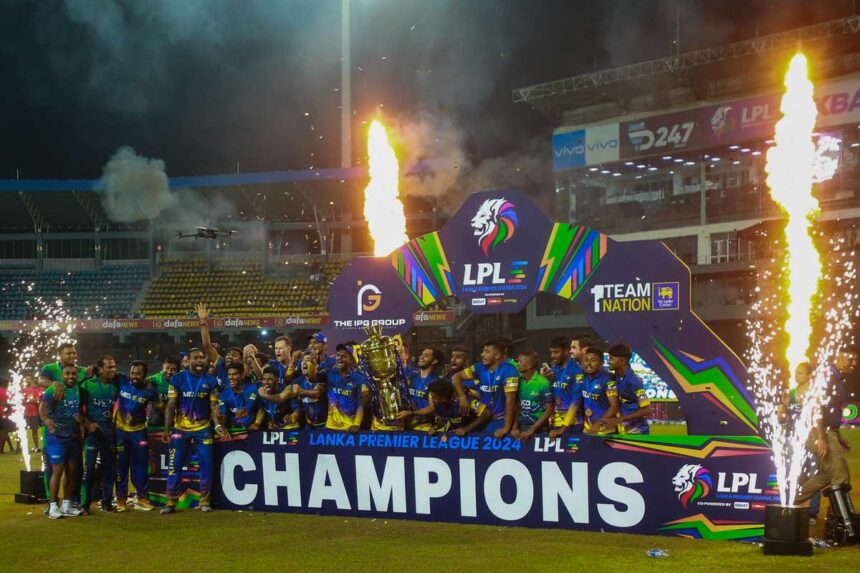
Vidanage revealed that the player had taken decisive action by alerting the authorities approximately 10 days prior to the arrest when he was first approached with the bribery proposal. However, the identity of the player remains undisclosed as investigations continue. The LPL is scheduled to kick off its sixth edition the same evening, featuring a match between the Jaffna Kings and Galle in the capital city.
Kalra, being a co-owner of the Jaffna Kings, finds himself at the center of a narrative that could tarnish the league’s reputation. Furthermore, this incident follows a troubling trend within the tournament, which has recently been marred by allegations of corrupt practices. In a notable instance earlier this year, a Sri Lankan court sentenced the British owner of another LPL team, Tamim Rahman, to a four-year suspended sentence after he confessed to attempting to alter a player’s performance and facilitating illegal betting activities.
These developments align with Sri Lanka’s stringent legal framework established in 2019 aimed at combating corruption in sports. The legal measures serve to deter involvement in match-fixing, yet the occurrence of such incidents raises critical questions about the effectiveness of these regulations and the overarching governance of sports leagues in the region.
As the Lanka Premier League unfolds, fans and stakeholders alike await further developments, particularly regarding Kalra’s case, which is set to be presented before a magistrate soon. This incident not only jeopardizes the tournament’s image but also emphasizes the pressing need for continued vigilance against corruption in sports across the globe.