UEFA, AFC, and CONCACAF Criticize FIFA President Infantino Over World Cup Stake Sale
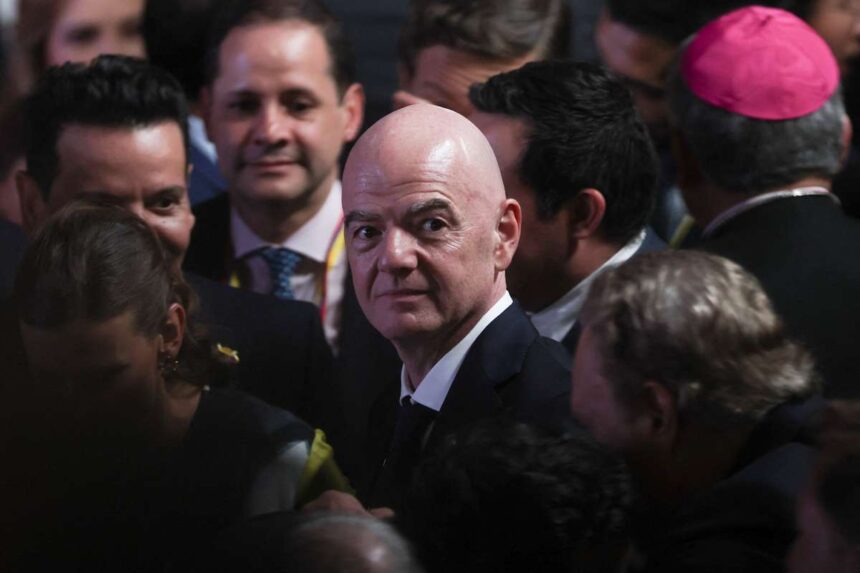
On Monday, FIFA President Gianni Infantino faced renewed criticism following a joint letter issued by three significant football confederations: UEFA, CONCACAF, and AFC. These organizations pointedly declared that football “belongs to no individual,” clearly expressing their discontent with Infantino’s recent actions.
Infantino has been a target of sharp scrutiny ever since he proposed a controversial initiative aimed at attracting private investment into FIFA competitions, including the prestigious World Cups. This proposal faced immediate backlash, leading Infantino to retract the plan shortly after its introduction.
The governing body of FIFA responded to the growing discontent on Saturday, asserting that there was a “concerted and ongoing effort by some to undermine” not only the organization but also Infantino himself. However, the unified stance taken by UEFA, CONCACAF, and AFC in their recent letter indicates that Infantino’s critics remain steadfast and unmoved.
Within their correspondence, these confederations emphasized a vital principle of leadership in football, stating, “Leadership in football is not a possession. It is not about holding – or demanding – power to be held.” The letter’s authors further underscored the grave implications of eroded trust, noting that when deception occurs, and an individual prioritizes their self-interest over the collective entrusted to them, the responsibility inherent to that leadership role is irrevocably forsaken.
This development signifies an ongoing struggle within the corridors of football governance, as multiple factions contest the direction of the sport under Infantino’s leadership. The alliance of these three confederations serves as a formidable counterbalance to Infantino’s authority, hinting at deeper rifts in the governance of international football.
The current situation casts a shadow over Infantino’s ability to unify the global football community, as factions become increasingly polarized in their opinions regarding leadership, accountability, and the future of major tournaments like the World Cup.